What Happens to Your Brain on Ayahuasca in the USA?
For many Americans, the search for healing reaches a point where conventional answers feel incomplete. Therapy helps, medication stabilizes, and spiritual curiosity grows louder. Eventually, a deeper question surfaces: What is actually happening inside me, beneath the stories I tell myself?
That question often leads people to Ayahuasca in the USA, not as an escape, but as an invitation. An invitation to understand how the mind, body, and spirit reorganize when the nervous system is finally allowed to release what it has been holding for years.
This is not about trends or thrill-seeking. It is about what happens to the brain, the heart, and the soul when ancient wisdom meets modern seekers inside a safe, intentional, and legally protected religious context.
At 963 Tribe Church, Ayahuasca is honored as Madre Medicina, a sacred plant sacrament and spiritual teacher. What follows is an exploration of what participants commonly experience neurologically, emotionally, and spiritually when engaging with Ayahuasca in the United States, grounded entirely in the lived practices, teachings, and integration philosophy of 963 Tribe Church.
Understanding Ayahuasca as Sacred Medicine, Not a Substance
Before we talk about the brain, it matters how Ayahuasca is understood.
Ayahuasca is not treated as a drug at 963 Tribe Church. It is approached as a holy sacrament, a divine gift from Pachamama, the Earth Mother, used in structured religious ceremony for healing, communion with God, and spiritual awakening.
Prepared traditionally from the Ayahuasca vine and Chacruna leaves, this brew has been used for centuries by indigenous Amazonian cultures. At 963 Tribe, the ceremonies are guided by ancient Shipibo lineage teachings, carried with reverence, humility, and strict safety protocols rooted in spiritual responsibility and care.
This context alone dramatically changes how the brain responds.
What the Brain Is Carrying Before Ceremony
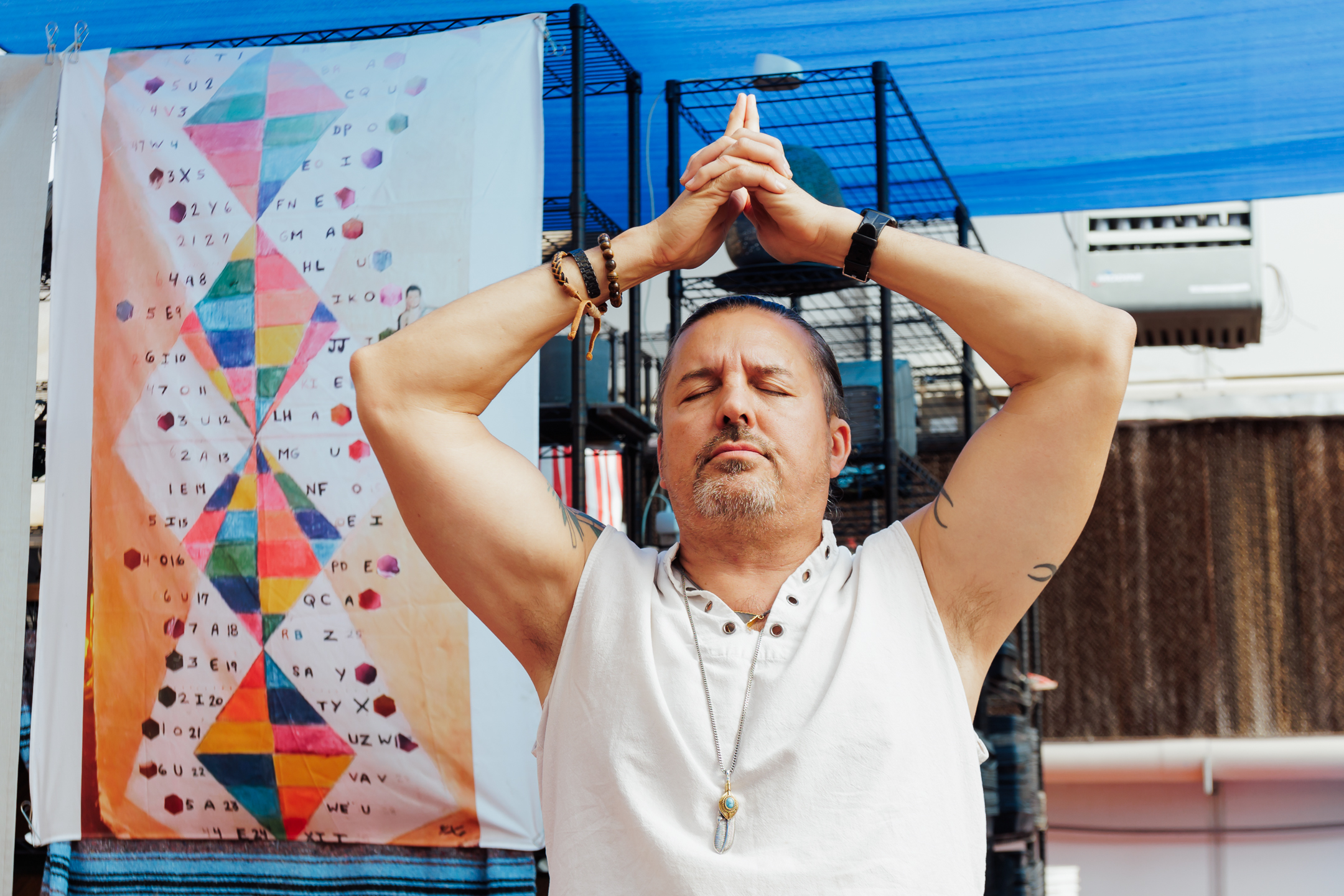
Most people arrive at an Ayahuasca ceremony already overloaded.
Chronic stress, unresolved trauma, anxiety, depression, grief, addiction patterns, and spiritual disconnection all leave imprints on the nervous system. The brain adapts to survive, often by suppressing emotions, narrowing perception, and reinforcing protective habits that no longer serve growth.
By the time people search for Ayahuasca near me or consider Ayahuasca Las Vegas, they are often exhausted from thinking their way through pain.
Ayahuasca works differently.
What Happens to the Brain During an Ayahuasca Ceremony
A Temporary Dissolving of Mental Control
During ceremony, participants commonly report that the analytical mind loosens its grip. Thoughts slow. Inner narratives soften. Long-standing mental loops lose their authority.
This is not disorientation. It is reorganization.
As the brain moves out of constant defense mode, buried emotional and psychic material can rise safely into awareness. Memories, sensations, feelings, and insights appear not as chaos, but as information ready to be acknowledged and released.
This is why Ayahuasca is often described as shining a bright light on the shadow.
Heightened Emotional Processing
Rather than suppressing emotion, the brain under Ayahuasca begins to feel fully again.
Participants may experience waves of grief, joy, fear, love, regret, gratitude, or forgiveness. These emotions are not random. They surface in service of healing.
This emotional honesty allows the nervous system to complete cycles that were previously interrupted. Tears come. Laughter comes. Silence comes. Each response is part of the brain restoring balance.
Expanded Perception and Spiritual Insight
Many participants describe a felt sense of unity, oneness, or connection with God, Pachamama, or the Divine. This is not metaphorical language within the ceremony space. It is lived experience.
As mental barriers soften, the brain becomes receptive to intuitive insight and spiritual awareness. People report receiving guidance, clarity, or understanding that feels deeply personal and deeply aligned with truth.
The Role of Set, Setting, and Safety
What happens to the brain during Ayahuasca is inseparable from where and how the ceremony is held.
At 963 Tribe Church, ceremonies operate within a carefully maintained sacred container. Preparation guidelines, dietary restrictions, emotional readiness, medical screening, and facilitator presence are non-negotiable.
This structure allows the brain to relax instead of brace.
Participants know they are held. Supported. Guided. Protected.
That sense of safety directly influences how deeply the nervous system can release stored stress and trauma.
Music, Icaros, and Neural Rhythm
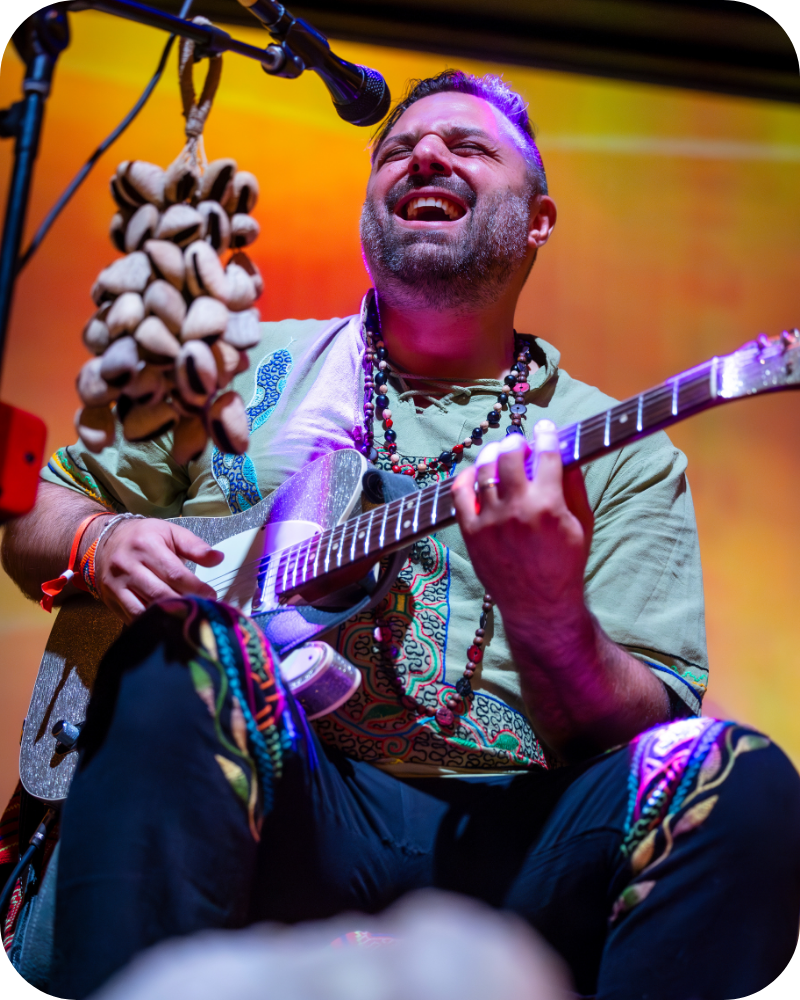
Music is not background sound during ceremony. It is medicine.
Sacred healing songs, known as icaros, guide emotional flow and energetic movement throughout the experience. These songs help regulate breathing, calm the nervous system, and provide a rhythm the brain can trust.
This is why music and icaros are central to ceremony at 963 Tribe Church. Sound becomes a bridge between the conscious and subconscious mind.
After Ceremony: What Happens to the Brain During Integration
The ceremony does not end when the night ends.
Integration is where long-term change occurs.
In the days and weeks following ceremony, the brain remains more open, more sensitive, and more responsive to habits, thoughts, and environments. This is why integration support is essential.
Without integration, insights fade. With integration, neural pathways gently rewire.
Participants are encouraged to journal, meditate, spend time in nature, limit overstimulation, and remain connected to community. This allows lessons to settle into daily life instead of remaining isolated experiences.
Why Americans Are Turning to Ayahuasca in the USA
Across the country, people are seeking alternatives to purely clinical models of healing.
Articles like Why More Americans Are Turning to Ayahuasca Retreats reflect a collective realization: healing is not only mental or chemical. It is emotional, spiritual, and relational.
At 963 Tribe Church, participants are not treated as patients. They are welcomed as human beings seeking alignment, belonging, and truth.
That difference alone shifts how the brain experiences healing.
Ayahuasca Las Vegas: Spiritual Healing Closer Than You Think
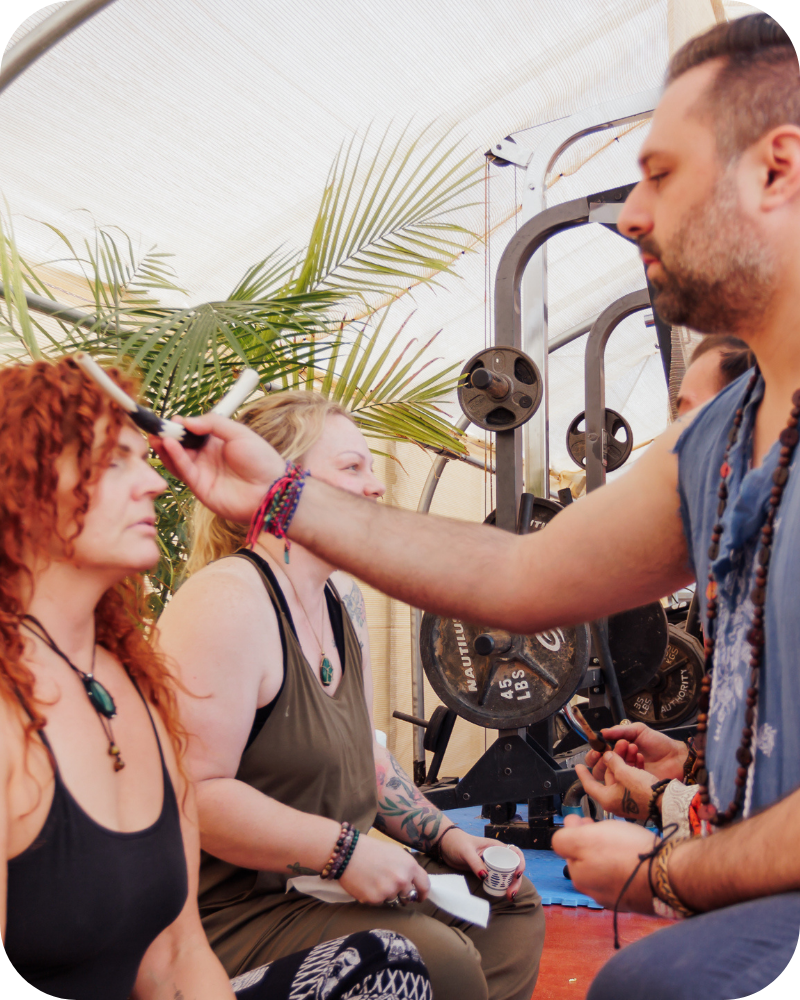
For many, traveling internationally is not realistic. That is why Ayahuasca Las Vegas has become a meaningful option for those seeking sacred ceremony within the United States.
Operating as a legally protected 501(c)(3) religious institution under the 508(c)(1)(A) provision, 963 Tribe Church honors constitutional protections while maintaining deep spiritual integrity.
This transparency builds trust, which allows participants to surrender more fully to the experience.
Practical Guidance for Those Considering Ayahuasca
If you are exploring Ayahuasca near me, these principles matter:
Respect preparation guidelines completely
Be honest about medical history and medications
Release expectations and control
Choose community over isolation
Commit to post-ceremony integration
Preparation resources such as how to prepare for an ayahuasca ceremony and ayahuasca integration guidance exist for a reason.
Healing is not rushed. It is honored.
Community, Belonging, and Long-Term Transformation
One of the most overlooked elements of brain healing is connection.
At 963 Tribe Church, ceremonies are part of a larger ecosystem that includes community gatherings, integration circles, and shared celebration of life.
The brain heals faster when it feels seen.
Stories like I Traveled to 963 Tribe for Healing illustrate how belonging itself becomes medicine.
Continuing the Journey
For those seeking deeper understanding, resources are available through:
Each platform exists to educate, support, and normalize conscious spiritual healing in the modern world.
Final Reflection
So what happens to your brain on Ayahuasca in the USA?
It remembers how to feel.
It remembers how to trust.
It remembers that healing is not something you force, but something you allow.
Within a sacred, legally protected, and deeply intentional setting like 963 Tribe Church, Ayahuasca becomes less about changing who you are and more about remembering who you have always been.
