Psilocybin Retreats in the USA: How Mushroom Ceremonies Differ From Therapy and Why That Matters
People usually don’t start searching for a psilocybin retreat because life is going great. Most are carrying something heavy. Anxiety that never quite shuts off. A sense of disconnection that therapy hasn’t touched. Grief that lives in the body more than the mind. Or a quiet but persistent feeling that something essential is missing.
In recent years, psilocybin retreats in the USA have become part of that search. Not as a trend, and not as an escape, but as a different way of engaging with healing, spirituality, and meaning. For many, the real question is not whether psilocybin works, but how a mushroom ceremony actually differs from psilocybin therapy, and why that difference matters so much.
At 963 Tribe Church, this distinction is central to everything we do. Psilocybin is approached not as a treatment to fix symptoms, but as a sacred sacrament. A teacher. A mirror. A doorway into spiritual connection, community, and integration that extends far beyond the ceremony itself.
This article is written for people who are curious, cautious, and discerning. If you’re trying to understand what really happens inside a psilocybin retreat, how it differs from clinical therapy, and whether a faith-based ceremonial setting might be right for you, this is for you.
Why People Are Looking Beyond Psilocybin Therapy
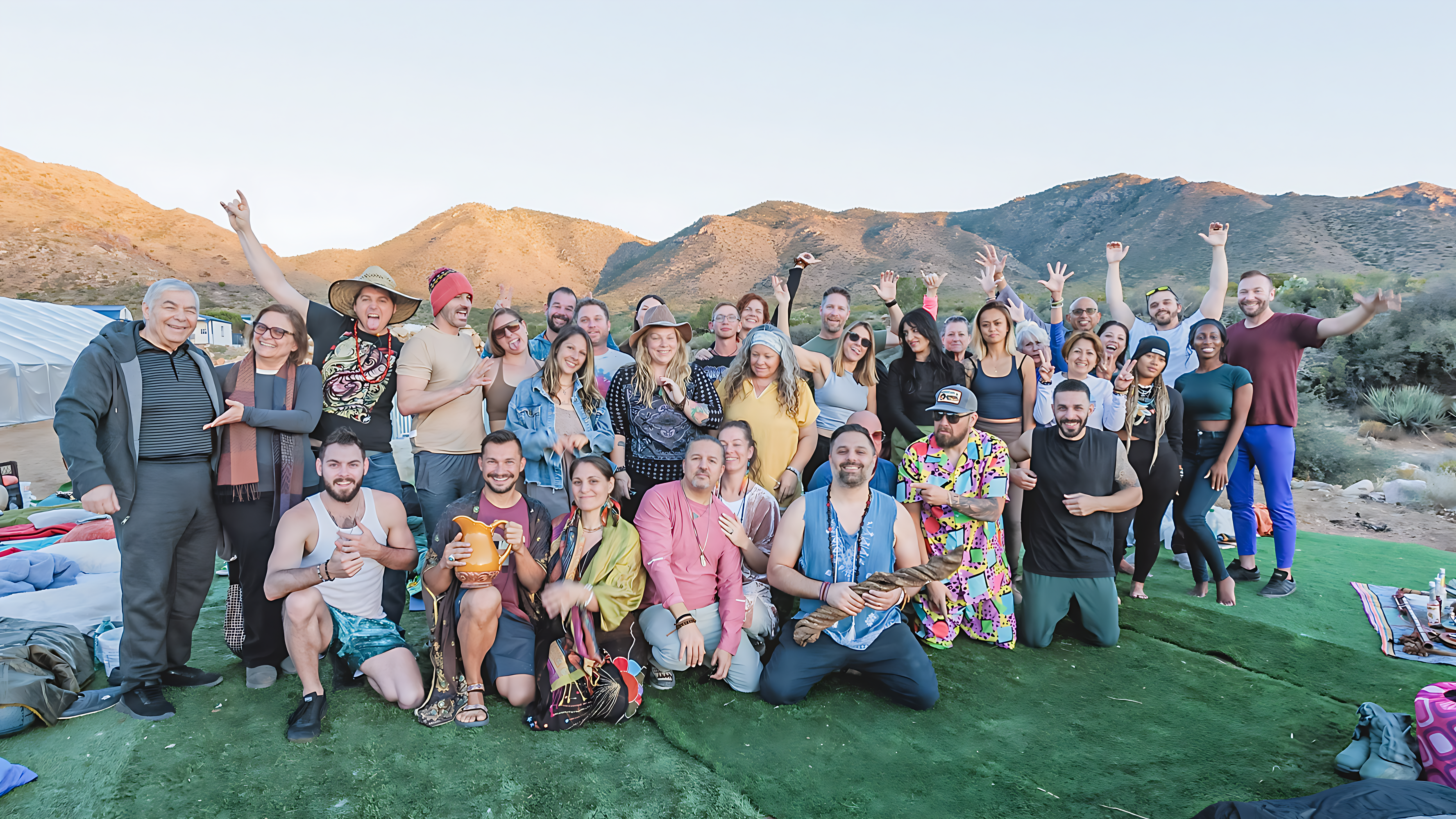
Psilocybin therapy has earned attention for good reason. Clinical studies show promise for anxiety, depression, PTSD, and end-of-life distress. Many people feel genuine relief through structured therapeutic protocols.
And yet, a growing number of people walk away feeling that something is missing.
Therapy often focuses on symptom reduction. The goal is to help you function better, feel less distressed, and return to daily life with fewer obstacles. That can be life-saving. It can also be incomplete for those who feel their suffering is spiritual, existential, or rooted in a deeper loss of meaning.
Psilocybin retreats speak to a different layer of the human experience.
Instead of asking, “How do we manage this problem?” the question becomes, “What is this experience trying to show me?” Instead of focusing solely on the mind, ceremony invites the body, the heart, the spirit, and the community into the process.
For people who feel called to something more than symptom relief, this difference matters.
What a Psilocybin Retreat Actually Is
A psilocybin retreat is not a vacation, and it’s not recreational. At its core, it is a structured spiritual gathering centered around sacred mushroom ceremonies, held with intention, preparation, guidance, and integration.
At 963 Tribe Church, psilocybin mushrooms are known as Niños Santos, sacred teachers that have been honored in indigenous traditions for generations. They are approached with reverence, prayer, music, and community, not as substances to be consumed casually.
A retreat includes far more than the ceremony itself. Preparation guidance, communal meals, shared intention-setting, music, prayer, and post-ceremony integration are all essential parts of the experience.
How Psilocybin Therapy Works, in Simple Terms
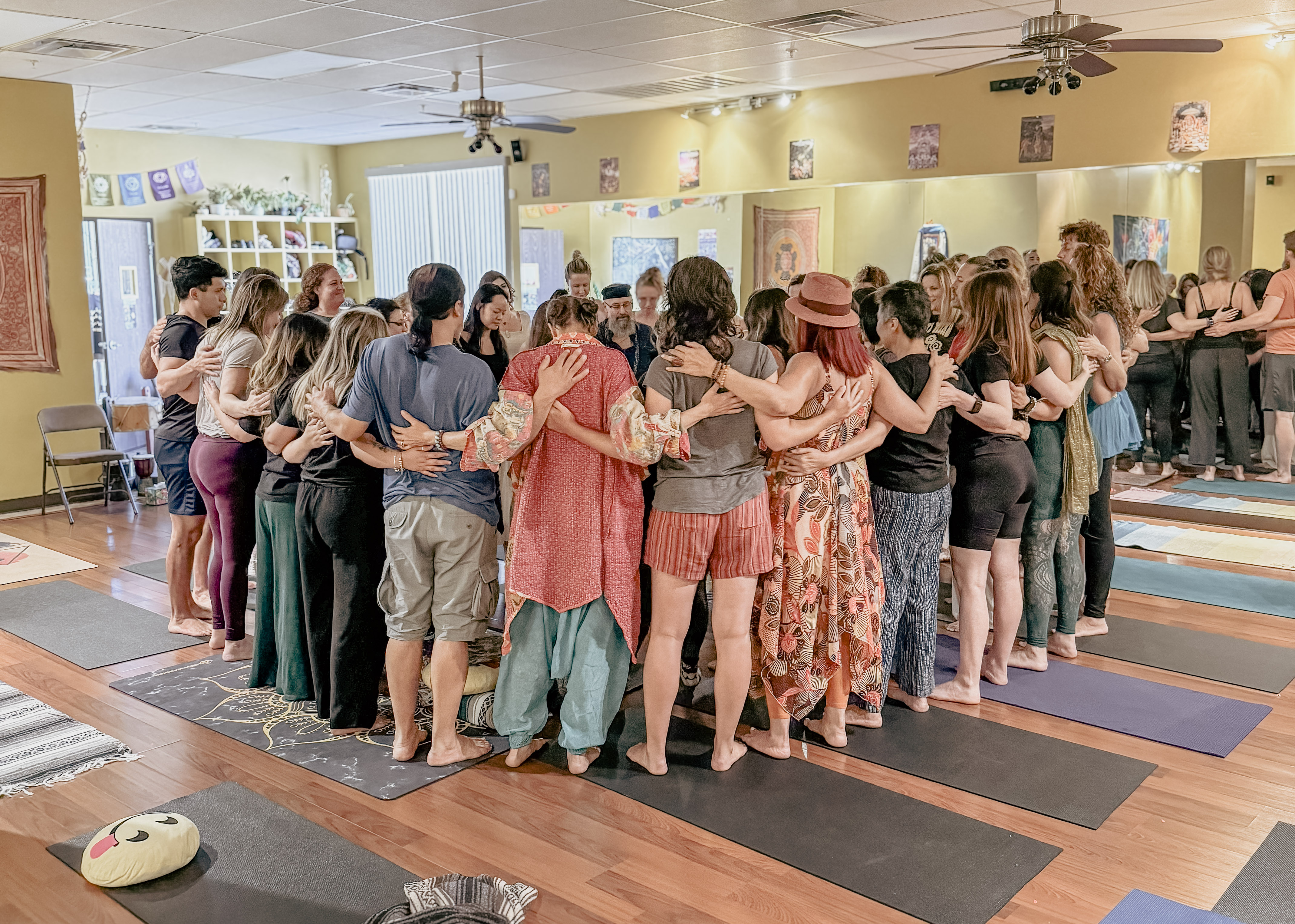
Psilocybin therapy typically takes place in a clinical or research-informed setting. It involves screening, preparation sessions with a licensed professional, one or more guided dosing sessions, and follow-up therapy.
The container is medical or psychological. The language is often clinical. The goal is to reduce symptoms and improve mental health outcomes.
For some people, this is exactly what they need. Especially those who feel safer in medical environments or who are not seeking spiritual frameworks.
But therapy generally avoids spiritual language, religious meaning, or sacred ritual. Experiences are often interpreted through psychological models rather than spiritual ones.
That difference shapes how insights are understood and integrated.
The Core Difference: Treatment vs Communion
The most important distinction between psilocybin therapy and a psilocybin retreat is this:
Therapy treats psilocybin as a tool.
Ceremony treats psilocybin as a relationship.
At 963 Tribe Church, mushrooms are considered a sacrament, a gift from Pachamama, the Earth Mother. The ceremony is an act of communion with the Creator, with the Earth, and with the self.
This changes everything.
Instead of asking what dose will produce a specific outcome, the focus is on intention, humility, surrender, and listening. Instead of trying to control the experience, participants are guided to trust it.
For many, this shift is where healing deepens.
A Story You’ll Hear Often
Someone arrives at a psilocybin retreat feeling skeptical but curious. They’ve done therapy. They’ve read the research. They want relief from anxiety, or clarity around a life transition.
During ceremony, something unexpected happens. It’s not a breakthrough insight or a dramatic vision, at least not at first. It’s a feeling. A sense of being held. Of remembering something deeply familiar. Of forgiveness that arises without effort.
Later, during integration, they struggle to put words to it. It doesn’t fit neatly into psychological categories. But weeks later, relationships feel different. Decisions come with less fear. The nervous system settles in ways therapy never quite reached.
This doesn’t mean therapy failed. It means something else was needed.
Psilocybin for Anxiety: Why Setting Matters
Many people explore psilocybin for anxiety. Some are drawn by studies. Others are simply exhausted by living in constant tension.
What often gets overlooked is how much setting influences outcome.
In a clinical setting, anxiety is framed as a condition to be treated. In ceremony, anxiety is often approached as a teacher. Something asking for attention, compassion, or release.
At 963 Tribe Church, facilitators are trained to support participants through challenging moments without pathologizing them. Fear is not something to eliminate immediately. It’s something to sit with, understand, and often move through with support, music, prayer, and grounding practices.
Integration plays a crucial role here. The church offers community integration circles and one-on-one integration support to help participants bring insights into daily life.
The Role of Community in Healing
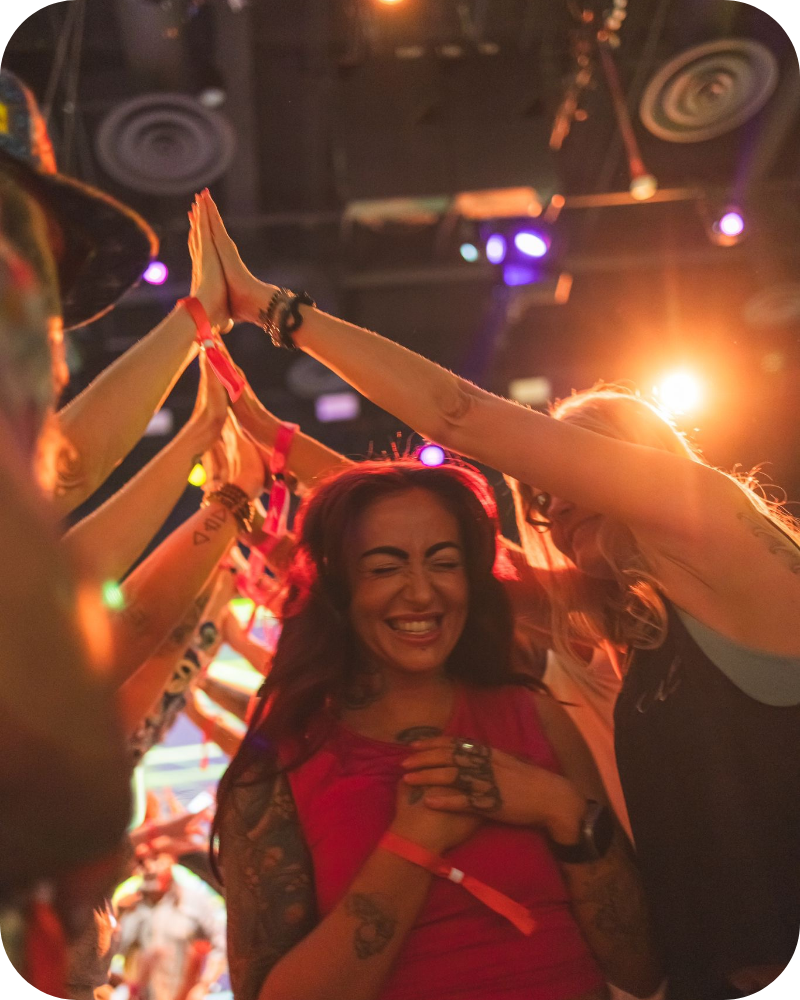
One of the biggest differences between psilocybin retreats and therapy is community.
Therapy is private by design. Retreats are communal by nature.
At 963 Tribe Church, people eat together, sing together, share stories, and sit in ceremony together. This creates a sense of belonging that many people haven’t felt in years.
Healing often happens not just through the mushroom experience itself, but through being seen, witnessed, and accepted without judgment.
Faith, Legality, and Trust
Trust matters deeply in this work.
963 Tribe Church operates as a 501(c)(3) religious non-profit under the 508(c)(1)(A) provision, protected by the First Amendment and the Religious Freedom Restoration Act. Sacred plant sacraments are used strictly within the context of sincere religious practice.
This legal framework is not an afterthought. It reflects deeply held beliefs and a commitment to transparency, safety, and accountability.
Participants are screened, prepared, and supported before, during, and after ceremonies. Safety protocols, informed consent, and integration support are standard, not optional.
If you’re curious about upcoming ceremonies or retreats, the calendar is updated regularly.
Why Integration Is Where the Work Really Begins
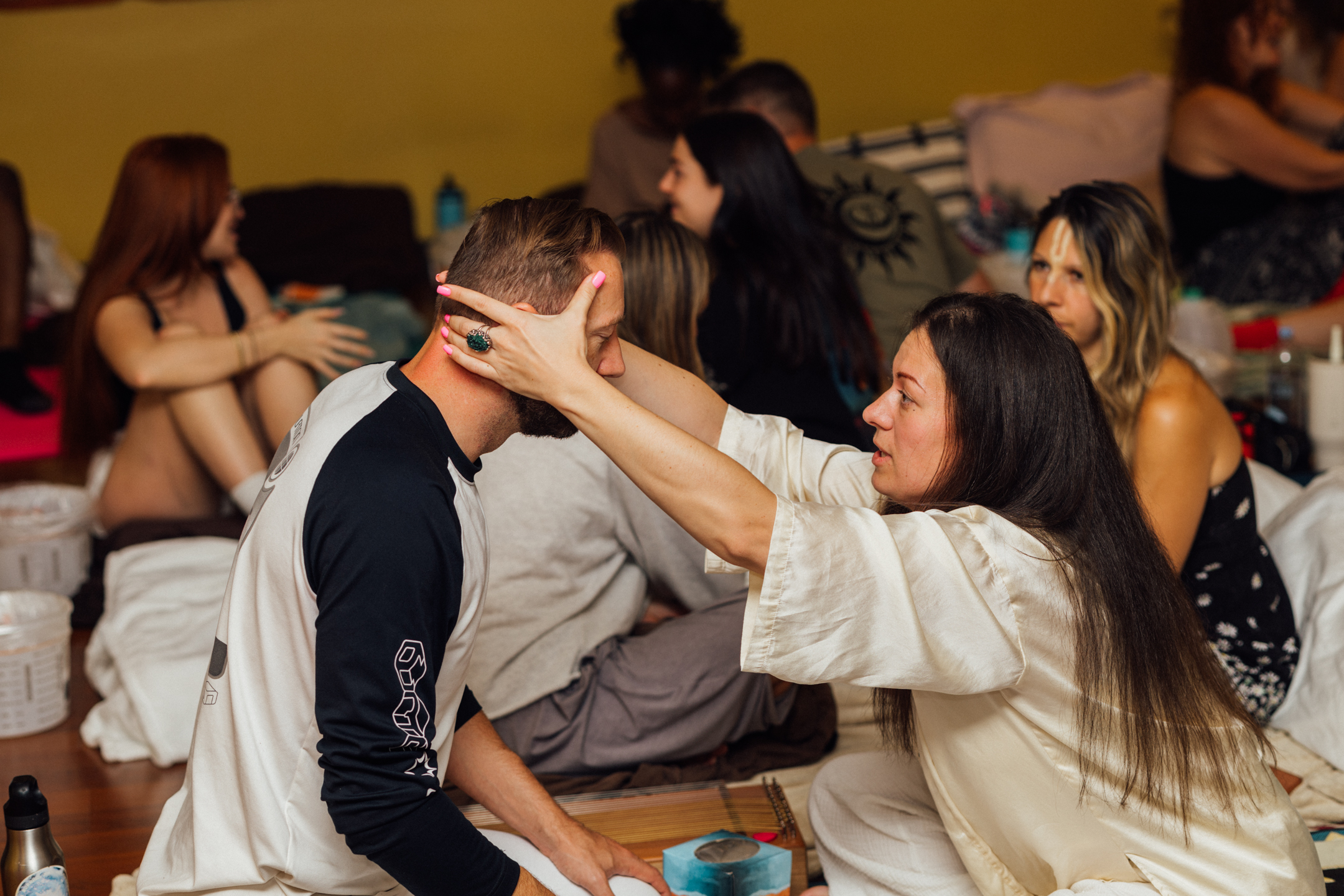
One of the most common misunderstandings about psilocybin retreats is that the ceremony is the whole point.
It isn’t.
The ceremony opens the door. Integration determines whether anything changes.
Without integration, even profound experiences can fade into memory without lasting impact. With integration, subtle insights can reshape relationships, habits, and self-understanding over time.
963 Tribe Church emphasizes integration through group circles, private calls, journaling practices, and ongoing community connection. This support is what allows experiences to become lived wisdom rather than isolated events.
How Other Sacraments Fit Into the Path
While this article focuses on psilocybin retreats, many people find that different sacraments support different stages of the journey.
Ayahuasca ceremonies, rooted in Shipibo lineage, offer deep purification and spiritual insight.
San Pedro ceremonies emphasize heart-opening, connection, and clarity.
Bufo ceremonies are known for their intensity and profound spiritual awakening.
Hapé, Sananga, and Cacao ceremonies provide grounding, focus, and gentle heart connection.
Each sacrament serves a different purpose. None are interchangeable. What matters is discernment and guidance, not chasing experiences.
Psilocybin Retreats in the USA: Who They’re For and Who They’re Not
Psilocybin retreats are not for everyone.
They are not a shortcut.
They are not entertainment.
They are not a replacement for emergency mental health care.
They may be right for people who feel called to spiritual exploration, who are willing to prepare honestly, and who are open to integrating insights over time.
They may not be appropriate for those with certain medical or psychiatric conditions, or for those seeking purely recreational experiences.
963 Tribe Church encourages transparency, medical consultation when appropriate, and open communication before participation.
Giving Back and Staying Connected
As a non-profit religious organization, 963 Tribe Church relies on community support. Donations help sustain ceremonies, integration services, community events, and outreach.
There are also many ways to get involved beyond the ceremony, from volunteering to community gatherings.
The church’s YouTube channel offers teachings, insights, and community content for those who want to learn more.
You can also connect through social platforms to stay informed and engaged:
Instagram
Facebook
Why This Difference Truly Matters
The difference between psilocybin therapy and psilocybin retreats is not about which is better. It’s about alignment.
Some people need clinical support. Others need spiritual remembrance. Many need both at different times.
Psilocybin retreats in the USA, especially those rooted in sincere religious practice and community care, offer something that therapy alone often cannot. A sense of belonging. A sacred context. A reminder that healing is not just about fixing what’s broken, but about reconnecting with what has always been whole.
If you feel that pull, trust it. Move slowly. Ask questions. Seek integrity over promises.
