Ayahuasca Ceremony in Las Vegas: What to Know Before You Come
If you're searching for an ayahuasca ceremony in Las Vegas, here's the direct answer: 963 Tribe Church is a Las Vegas-based, legally recognized 501(c)(3) religious institution operating under the 508(c)(1)(A) provision, offering ayahuasca and other sacred plant ceremonies rooted in the Shipibo lineage of Pucallpa, Peru. Ceremonies are led by experienced facilitators, include structured preparation and post-ceremony integration, and are open to people from all spiritual backgrounds. The rest of this guide covers exactly what that means in practice , legally, spiritually, and logistically , before you decide to come.
Where Can I Attend an Ayahuasca Ceremony in Las Vegas?
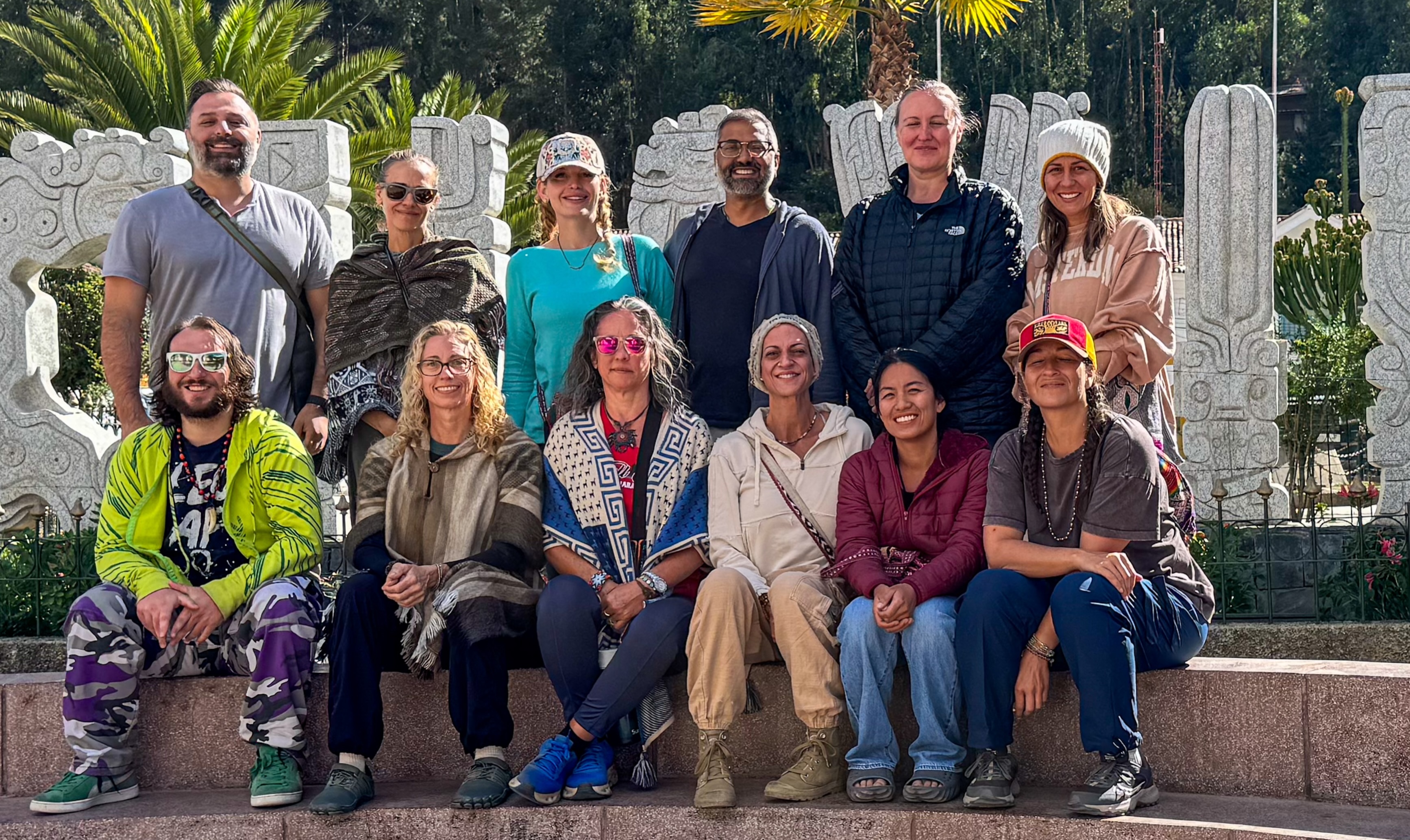
963 Tribe Church holds its ayahuasca ceremonies in Las Vegas as part of its ongoing religious practice. The church describes itself as a faith-based community devoted to God, spiritual connection, personal growth, and unity through sacred entheogenic ceremonies, and its ceremonies are guided by the teachings of the Shipibo lineage , a tradition of master healers, or curanderos, from the Peruvian Amazon.
The sacrament used in ceremony is not treated as a product or a wellness trend. On the Ayahuasca page, the church calls it "Madre Medicina, Grandmother Spirit" and describes it as a brew made from the Banisteriopsis Caapi vine and Chacruna leaves, used for centuries by indigenous communities in the Amazon basin for healing, spiritual exploration, and connection with nature.
Ceremony dates are posted on the church's calendar and shared on its Instagram, which lists upcoming ceremonies alongside community integration events. If you're looking for the next available date, that's the fastest way to check.
963 Tribe Church holds its ayahuasca ceremonies in Las Vegas as a structured religious practice rooted in Shipibo tradition, not as a standalone retreat product.
Is There a Legal Ayahuasca Church in Nevada?
This is usually the first question anyone asks, and it deserves a straight answer. 963 Tribe Church operates as a 501(c)(3) non-profit, religious institution under the 508(c)(1)(A) provision. According to the church's own beliefs page, this status is fully protected by the First Amendment's guarantee of religious freedom, and the church states that it adheres to the guidelines established by the Religious Freedom Restoration Act (RFRA).
The church is explicit that this protection applies specifically to religious use: sacraments are used strictly within the context of religious ceremonies, never recreationally or outside ceremonial settings, and the church maintains records of ceremony attendance and sacrament use to affirm the sincerity of its religious practice.
963 Tribe Church is also direct about the limits of this protection. Participants are required to sign liability waivers before attending a ceremony, and the church states plainly that while it operates under RFRA protections and the 508(c)(1)(A) designation, personal legal protection for an individual participant is not guaranteed, since the use of plant sacraments is subject to evolving legal frameworks. The church says it operates transparently and within RFRA guidelines, but each participant assumes personal responsibility for their own participation.
963 Tribe Church operates as a 501(c)(3) religious non-profit under 508(c)(1)(A), a designation the church says is protected by the First Amendment and guided by RFRA , though it asks every participant to understand that legal protection is not a personal guarantee.
What Should I Know About Attending a Ceremony in Las Vegas?
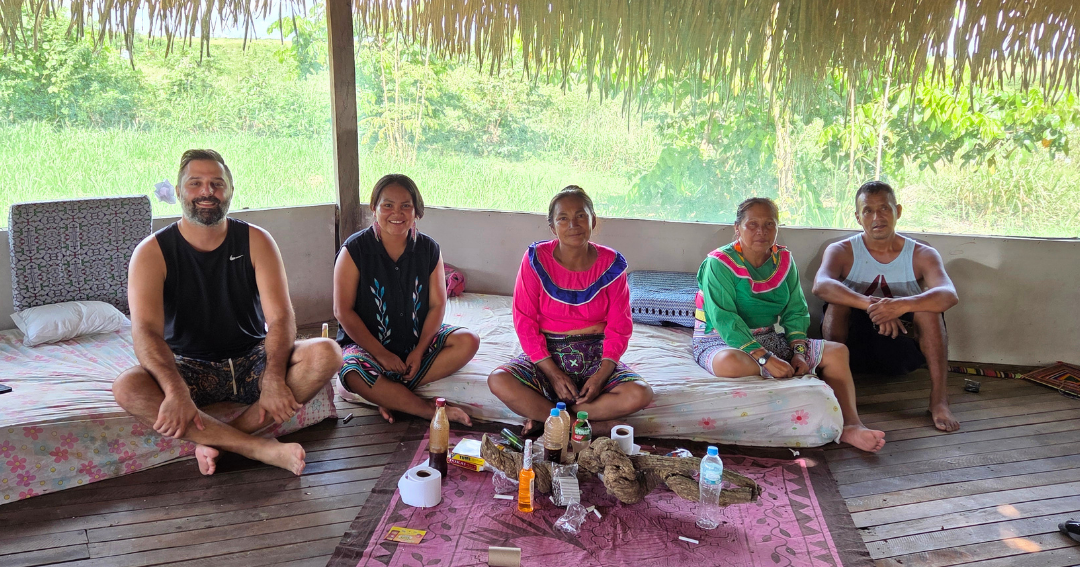
Before anything else, know this: 963 Tribe Church requires full participation, including consumption of the sacrament, for anyone attending a ceremony , this is described as a core part of the religious ritual, not an optional add-on. If you're not ready for that, the church notes that membership and community life extend well beyond ceremony. You can still take part in integration circles, wellness gatherings, and social events without ever attending a sacrament ceremony.
The church describes its approach to safety directly. It states that it maintains a 100% safety record and is committed to keeping it that way, through pre-screening participants for health conditions, having trained facilitators and emergency protocols on-site, requiring participants to consult healthcare professionals about any medical concerns beforehand, and offering integration support afterward.
A few practical points worth knowing before you register:
Full ceremony attendance is required. Once a ceremony begins, participants are asked to remain within the ceremony grounds until it concludes. This is described as necessary to maintain the sacred container and ensure facilitators can properly support everyone present. If you need a break, a facilitator or guardian will accompany you to a calm space outside the ceremony area.
Medical disclosure matters. Certain medications and health conditions may be contraindicated with the sacrament. SSRIs and MAOIs must be discontinued at least four weeks before ceremony; hypertension medications at least two weeks before. The church asks participants to disclose medical history confidentially to facilitators and to consult their own healthcare provider beforehand.
Donations are non-refundable. The church explains that donations support ceremony preparation, facilitation, upkeep of the sacred space, and ongoing initiatives , they are described as voluntary contributions, not payment for goods or services. If your plans change, your donation may be applied toward a future ceremony, subject to availability, but notify the church as soon as possible.
You'll want to prepare physically and mentally in advance. More on that below.
Attending a ceremony with 963 Tribe Church means committing to the full ceremony , including the sacrament itself, remaining present for its duration, and being transparent with facilitators about your health.
How Do I Prepare for an Ayahuasca Ceremony at 963 Tribe Church?
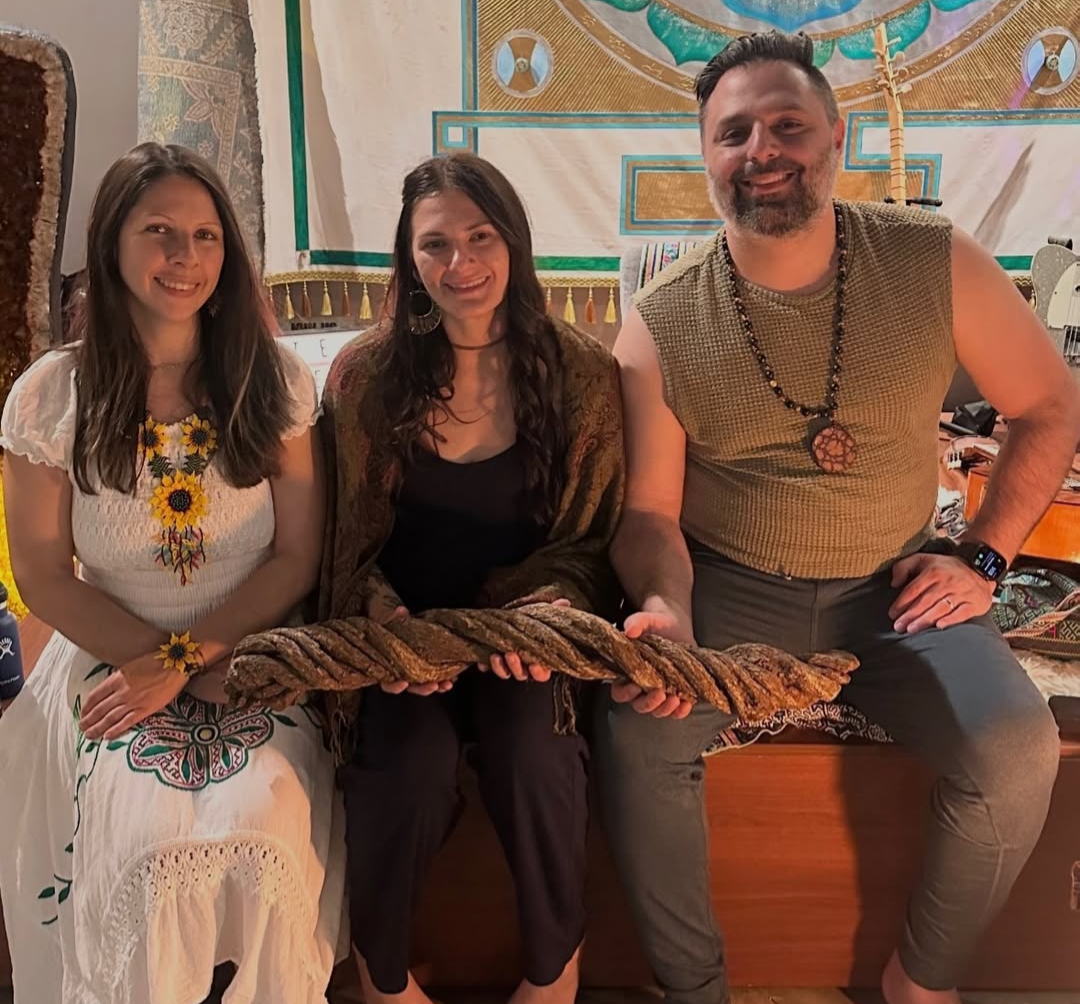
Preparation is treated as seriously as the ceremony itself. The church lays out physical, mental, and spiritual guidelines on its Ayahuasca page and resources page.
Two weeks before ceremony, the church asks participants to limit or abstain from cannabis, street drugs, pork, spicy food, and ice-cold foods or drinks.
One week before ceremony, this tightens further: no refined sugar, red meat, junk food, minimal salt and oil, no animal fats, no carbonated or fermented drinks (including kombucha and non-alcoholic beer), no dairy, no fermented foods like kimchi or yogurt, and no caffeine.
On ceremony day, participants are asked to stay hydrated, eat their last meal at least six hours before ceremony, abstain from sexual activity, and step back from social media and news to protect their own clarity going into the space.
Medications need particular attention. SSRIs and MAOIs must stop at least four weeks out, hypertension medication at least two weeks out, and any antihistamines or anti-anxiety medications should be discontinued before the session , always in consultation with a physician.
On what to bring, the church's list is specific: comfortable, loose-fitting clothing; a sleeping mat or yoga mat with a sleeping bag and pillow; a refillable water bottle; a journal and pen; personal comfort items like a blanket or crystal; basic hygiene items; and any medications you've disclosed to your facilitator.
Mentally and spiritually, the church encourages setting a clear intention beforehand , reflecting on what you want to release or invite into your life, while letting go of expectations about exactly how that will unfold. Calming practices like journaling, meditation, yoga, or Qi Gong in the days before ceremony are recommended, along with avoiding stressful situations, arguments, or heavy news consumption.
Preparation at 963 Tribe Church spans two full weeks , dietary, medical, and mental , and is treated as inseparable from the ceremony itself, not a formality beforehand.
What Happens During the Ceremony?
The church describes ayahuasca as working "through deep contrast and intense extremes" , participants may move through both difficult and beautiful moments in a single night, and are asked to enter with courage and a clear intention. The sacrament is described as capable of shining a light on parts of yourself you haven't yet acknowledged, and the church is honest that it may, in its own words, "wound in the interest of healing."
Music plays a central role. The church's ceremonies incorporate icaros , sacred healing songs from the Shipibo tradition , which are described as channeled through the sacrament and used to move energy, deepen connection with spiritual guides, and support the ceremony as it unfolds. You can hear this tradition reflected in the church's own recorded music, streaming under 963 Tribe on YouTube and other platforms.
During ceremony, participants are asked to maintain silence and avoid unnecessary conversation or movement, keep phones and electronics away, avoid touching others or interfering with someone else's process without permission, and not ingest any other substances without explicit permission from facilitators. Facilitators and guardians remain present throughout to offer support as needed.
963 Tribe Church frames the ceremony itself as guided, musical, and unpredictable , shaped by icaros and Shipibo tradition, and held by facilitators who remain present throughout.
What Should I Expect After the Ceremony? (Integration)
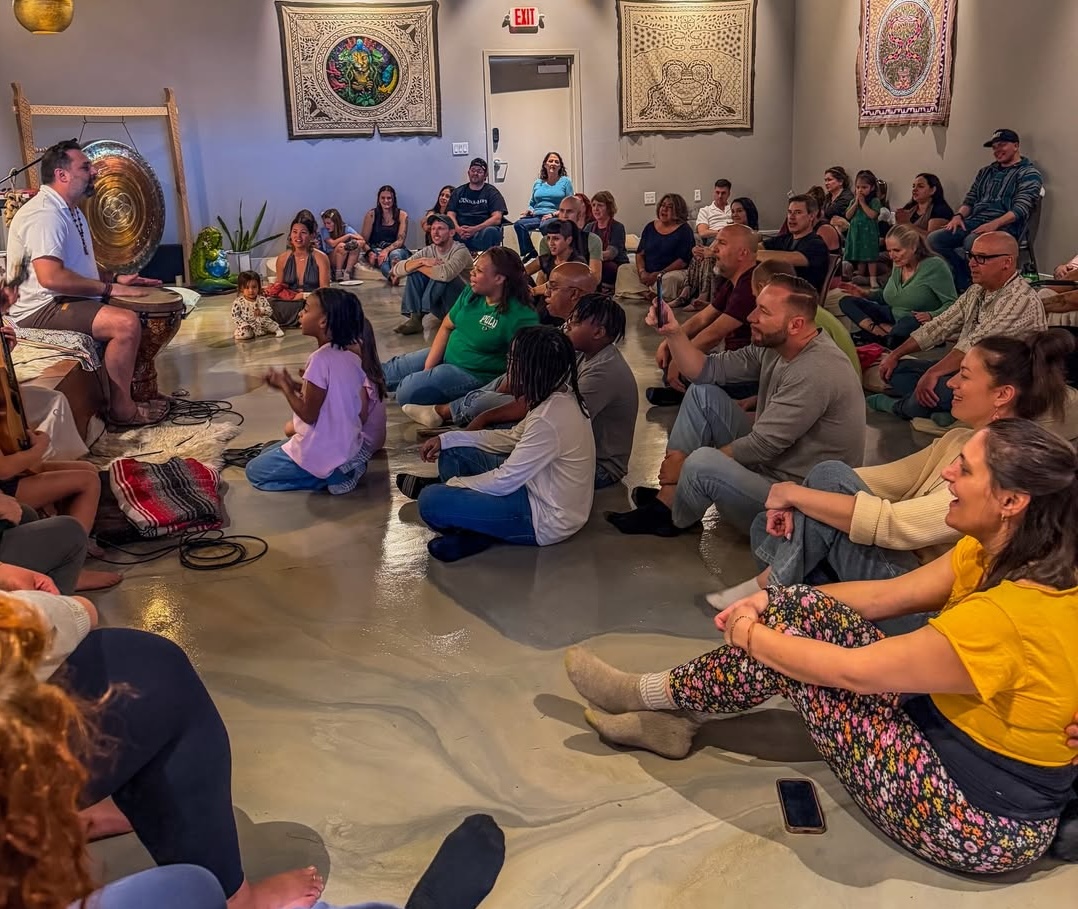
963 Tribe Church treats integration as a vital, ongoing part of the process , not an afterthought. On the integration page, the church describes offering integration circles and one-on-one support to help participants process their experience, along with tools for reflection, journaling, and community discussion.
In the days immediately following ceremony, the church recommends avoiding salt, sugar, red meat, pork, spices, alcohol, caffeine, processed foods, and dairy for a minimum of three to seven days, since these are described as heavy or overstimulating to a system that's still settling. Cannabis and prescription medications should be discussed with your integration team or doctor before resuming.
The church also advises against sexual activity for seven to fourteen days minimum, avoiding crowds and busy environments like malls or concerts, and steering clear of heavy media , horror, violent films, intense news cycles , since these can overstimulate the nervous system during a sensitive window. The church cautions against making major life decisions immediately after ceremony; instead, it recommends giving powerful insights a few days or weeks to settle before acting on them.
963 Tribe Church treats the weeks after ceremony as part of the ceremony itself, with specific dietary, social, and decision-making guidance meant to protect the integration process.
How Do I Join 963 Tribe Church in Las Vegas?
Joining doesn't require attending a sacrament ceremony. The church is explicit that membership extends beyond ceremony participation , you're welcome to engage through community events, integration circles, and social gatherings held throughout the month, all described on the Tribe and Get Involved pages.
If you're ready to take the next step, the church's calendar lists upcoming ceremonies and community events, including monthly integration potlucks. You can also connect through the church's Instagram and Facebook, where ceremony dates and community updates are posted regularly. For those who want to support the church's ongoing work, the donate page explains how contributions sustain ceremony preparation and the church's broader mission.
963 Tribe Church welcomes people into community life first , ceremony is one part of belonging to the tribe, not a prerequisite for it.
Key Takeaways
963 Tribe Church is a 501(c)(3) religious non-profit under 508(c)(1)(A), based in Las Vegas, rooted in Shipibo lineage from Pucallpa, Peru.
Ceremonies require full participation, including the sacrament, and completing the full ceremony without leaving early.
Preparation begins two weeks in advance with dietary, medication, and mental-preparation guidelines.
Integration continues for one to two weeks after ceremony, with its own dietary and lifestyle guidance.
You can join the 963 Tribe community , through integration circles, gatherings, and events , without ever attending a sacrament ceremony.
Frequently Asked Questions
Where can I attend an ayahuasca ceremony in Las Vegas?
963 Tribe Church holds its ayahuasca ceremonies in Las Vegas. Upcoming dates are listed on the church's calendar and shared on its Instagram.Is there a legal ayahuasca church in Nevada?
963 Tribe Church operates as a 501(c)(3) religious non-profit under the 508(c)(1)(A) provision, which the church says is protected by the First Amendment and guided by the Religious Freedom Restoration Act. Participants still sign liability waivers, and the church is clear that individual legal protection is not guaranteed.What should I know before attending a ceremony?
Full participation, including consuming the sacrament and staying for the full ceremony, is required. Two weeks of dietary and medication preparation is expected beforehand, and medical history must be disclosed to facilitators in advance.How do I prepare for an ayahuasca ceremony?
Preparation includes dietary restrictions starting two weeks out, discontinuing certain medications (SSRIs/MAOIs four weeks prior, hypertension medication two weeks prior), and mental preparation through meditation, journaling, or setting a clear intention.How do I join 963 Tribe Church in Las Vegas?
You can join the community through integration circles, gatherings, and events listed on the Get Involved page , attending a sacrament ceremony is not required for membership.
