What Really Happens at a Bufo Ceremony in Las Vegas
For most people who reach out to 963 Tribe Church, the question isn't really "is this legal" or "does it work." It's simpler than that: what actually happens when I walk into the room? This post walks through a Bufo ceremony at 963 Tribe Church step by step, from the first phone call to the morning after, so you know exactly what you're stepping into before you ever lay down on a blanket.
What Is Bufo Alvarius, and Why Does 963 Tribe Church Call It a Sacrament?
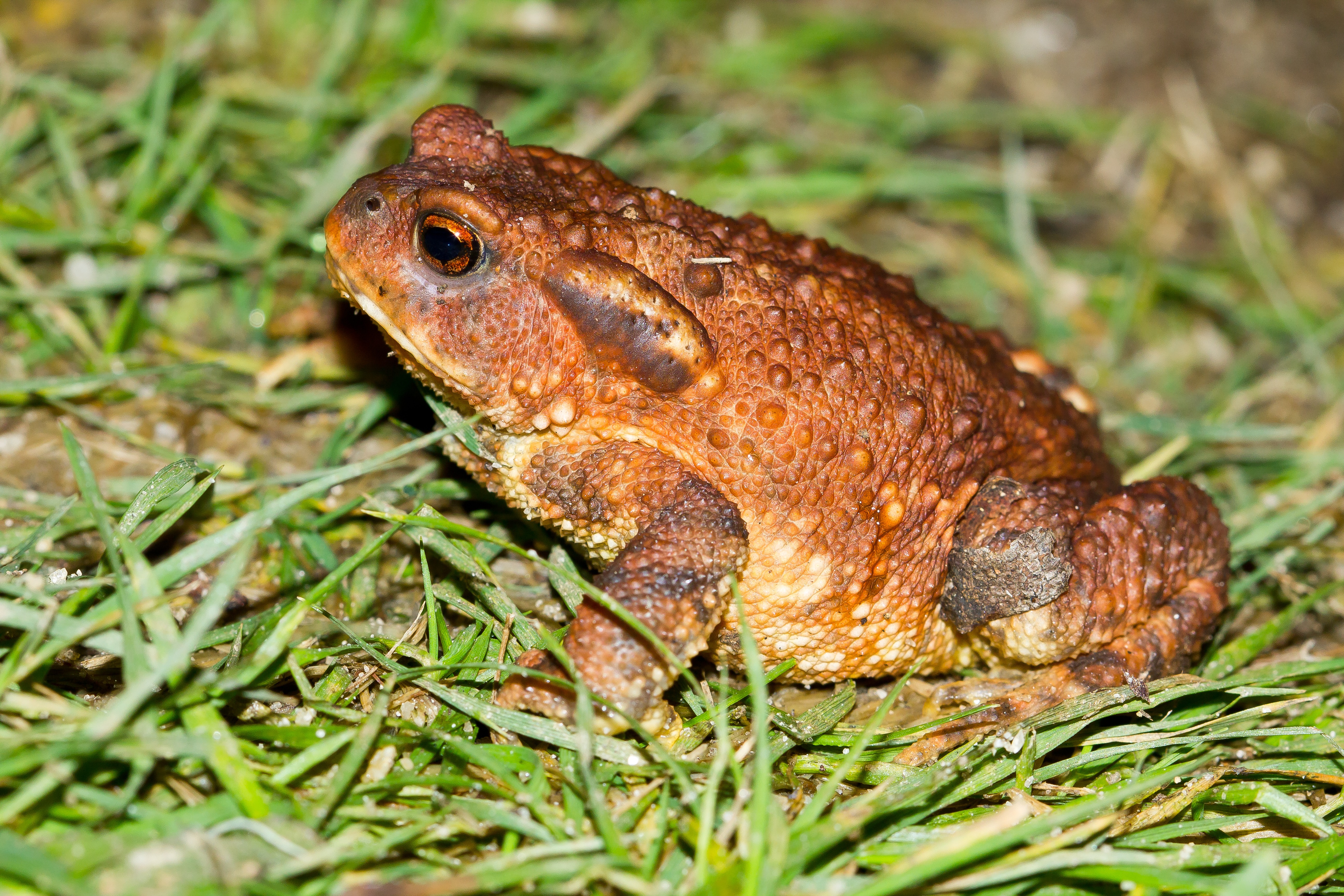
Bufo Alvarius, also called Bufo, Sapito, or the "Toad Sacrament", refers to the secretion of the Sonoran Desert toad, which contains naturally occurring 5-MeO-DMT and bufotenin. Indigenous communities in the region have incorporated this secretion into ceremonial practice for generations.
At 963 Tribe Church, Bufo is not treated as a recreational substance. It's held as a holy sacrament, a gift from Pachamama, the Earth Mother, used exclusively within a structured religious ceremony as a tool of devotion, prayer, and spiritual communion. That distinction matters, and it shapes everything about how the ceremony is run, from who's in the room to how the sacrament itself is sourced.
The church sources its sacrament directly from the Sonoran Desert in Mexico, in partnership with local tribe members, using a wild catch-and-release method intended to avoid any harm to the toads. Nothing is industrially processed or altered, the sacrament stays in its natural state from harvest to ceremony.
In short: this is a religious ceremony built around an ancestral practice, not a clinical treatment or a party.
The Night Before: What Actually Gets Said in the First Conversation
Every ceremony at 963 Tribe Church starts long before anyone sits down. When someone books, a facilitator has a direct conversation with them about medication use, because certain medications, particularly MAOIs and SSRIs, can interact negatively with the sacrament and must be stopped before ceremony. This isn't a form buried in fine print; it's a conversation the church asks every participant to have upfront, for their own safety.
Participants are also asked to fast for at least six hours before the ceremony, which is treated as both a physical and spiritual act of preparation, a way of arriving empty, ready to receive.
Here's what you're asked to bring:
A pillow
A large blanket to lie on
A water bottle
That's it. No elaborate checklist, no costume, no props. Just what your body needs to be comfortable for a short but intense experience.
Inside the Room: What the Ceremony Space Feels Like
If you've never been in ceremonial space before, the biggest surprise is usually how simple it is. There's no stage, no spectacle. Participants lie down on their blanket, facilitators are present throughout, and the room is held with intention, quiet, attentive, and unhurried.
The Bufo experience itself is short compared to plant medicines like ayahuasca, often just minutes, but participants frequently describe it as intense and disorienting in the moment, followed by a period of stillness and integration immediately afterward. Facilitators stay present through both phases: the peak of the experience and the quieter return that follows.
963 Tribe Church frames this arc, going inward, meeting whatever surfaces, and returning to the room, as the heart of the ceremony. The sacrament is described as teaching through contrast, offering lessons in both light and shadow, and asking participants to meet whatever comes up, difficult or not, with openness rather than resistance.
What People Say They Experience, In Their Own Words, Not Ours
We want to be direct about something: 963 Tribe Church describes Bufo ceremony as a spiritual and religious practice, not a medical treatment, and this sacrament is not a substitute for professional medical or mental health care. What follows are the kinds of subjective, personal experiences participants have described in the context of ceremony, not clinical claims about diagnosis or cure.
Within that spiritual framing, participants have described:
A profound sense of rebirth or "resetting"
Feeling more at peace after carrying long-held emotional weight
Moments of clarity about direction or purpose in their life
A felt sense of connection, to themselves, to others, to something larger than themselves
Relief that surfaces as tears, laughter, or simply stillness
No two ceremonies look the same, because no two people walk in carrying the same things. That's part of why the church treats this as sacred work rather than a standardized procedure.
Integration: What Happens After the Ceremony Ends
The ceremony itself is brief, but 963 Tribe Church treats what comes after as just as important. That's part of why the church holds regular community gatherings, like its monthly Community Potluck and Integration nights, where people who've been through ceremony can process their experience together rather than alone.
This is a detail that often gets missed by people evaluating a plant medicine church from the outside: the ceremony is one evening, but the community around it is ongoing. You can see the current rhythm of ceremonies and integration events on the 963 Tribe Church calendar.
Why 963 Tribe Church Holds Ceremony the Way It Does
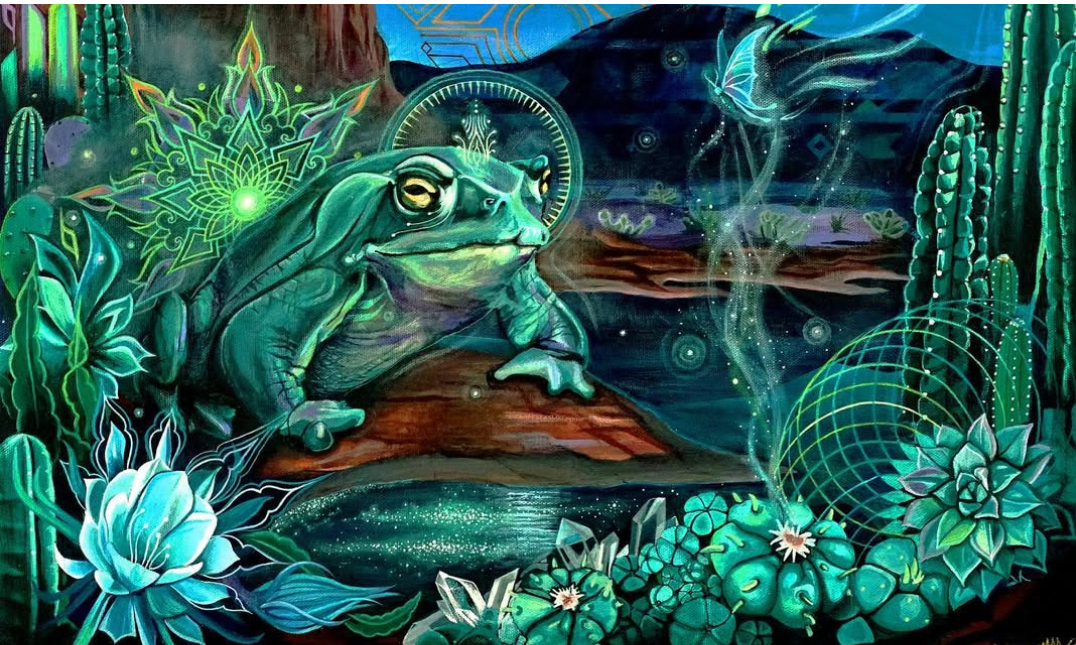
963 Tribe Church is a 501(c)(3) non-profit religious institution operating under the 508(c)(1)(A) provision, a legally recognized faith-based community centered on entheogenic ceremony as a form of communion, not consumption. The church's stated mission is spiritual: connection with God, personal transformation, inner peace, and unity, with the sacrament understood as a spiritual ally rather than a product.
You can read more about the specific beliefs and lineage behind this practice on the church's Beliefs and Lineage pages, both of which go deeper into where these ceremonial traditions come from and how 963 Tribe Church holds them today.
The church also publishes ongoing answers to common questions on its FAQ page, which is worth reading in full if you're still deciding whether ceremony is right for you.
Is Bufo Ceremony Right for You?
This isn't a yes-for-everyone practice, and 963 Tribe Church doesn't present it that way. It's a serious commitment that starts with an honest conversation about your health, your medications, and your intentions, not a walk-in experience.
If you're seriously considering it, the most useful first step isn't reading another blog post, it's talking directly to a facilitator about your specific situation. That conversation, before anything else, is where the real preparation begins.
Frequently Asked Questions About Bufo Ceremony in Las Vegas
What is a Bufo ceremony?
A Bufo ceremony is a religious ceremony held by 963 Tribe Church that uses the secretion of the Sonoran Desert toad, known as Bufo Alvarius, as a sacrament for spiritual communion, prayer, and personal transformation, guided by trained facilitators in a structured ceremonial setting.Is Bufo legal in Las Vegas?
963 Tribe Church operates as a legally recognized 501(c)(3) religious institution under the 508(c)(1)(A) provision, using the sacrament exclusively within religious ceremony. If you have specific legal questions, the church's FAQ page is the best place to start, and we'd always encourage doing your own independent research as well.How long does a Bufo ceremony last?
The core experience is typically brief, often just minutes, but the full ceremony includes preparation beforehand and a quieter integration period afterward, all held within the ceremonial space.What should I bring to a Bufo ceremony?
A pillow, a large blanket to lie on, and a water bottle. Participants are also asked to fast for at least six hours beforehand and to disclose any medications, particularly MAOIs or SSRIs, when booking.Do I need previous ceremony experience to attend?
No, but 963 Tribe Church asks every participant to have a direct conversation with a facilitator beforehand about their health history and intentions, so the ceremony can be held safely and appropriately for where you are.What happens after the ceremony ends?
963 Tribe Church holds regular community integration gatherings, including a monthly Community Potluck and Integration night, so participants have ongoing support in processing their experience rather than being left to make sense of it alone.
Key Takeaways
Bufo Alvarius is held by 963 Tribe Church as a religious sacrament, not a medical treatment or recreational substance.
Every participant has a direct pre-ceremony conversation about medication and health history before booking is finalized.
Preparation is simple: a six-hour fast, a pillow, a blanket, and a water bottle.
The ceremony itself is brief; the surrounding community and integration support are ongoing.
963 Tribe Church operates as a legally recognized 501(c)(3) religious institution under 508(c)(1)(A).
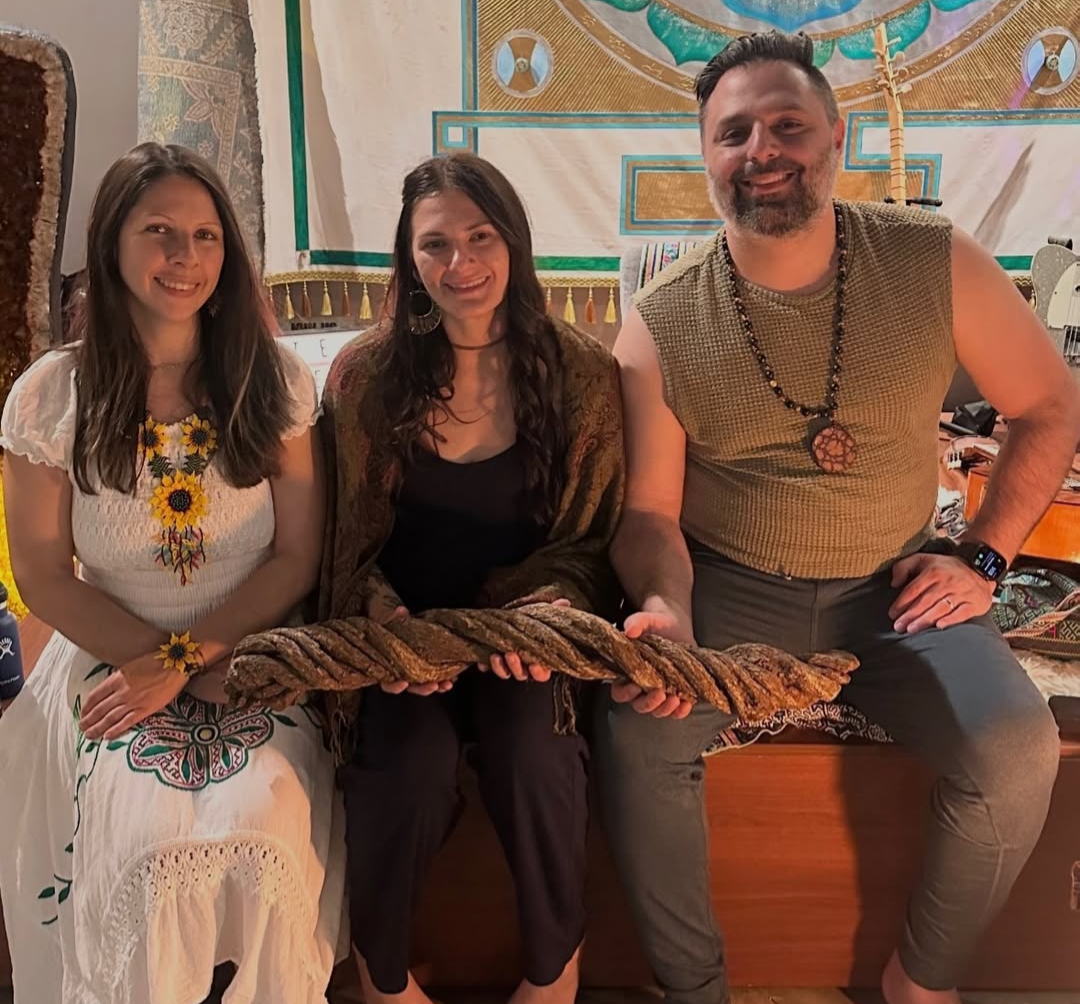
963 Tribe Church, a Las Vegas-based faith community centered on entheogenic ceremony. Learn more about our sacraments on the Bufo page, explore our beliefs and lineage, or follow along on Instagram and YouTube. Interested in supporting the church's work? Visit our donate page.
