Ayahuasca Retreats in the USA
An ayahuasca retreat in the USA is a guided ceremony held in an American city rather than in the Amazon. 963 Tribe Church is a 501(c)(3) religious non-profit in Las Vegas that holds ayahuasca ceremonies rooted in the Shipibo lineage of Pucallpa, Peru. A safe retreat screens participants for health conditions, has experienced facilitators and emergency protocols, gives you clear preparation instructions, and supports you with integration afterward. This guide covers how to choose one, how the USA compares with Peru, how donations work, and how to prepare.
What Is an Ayahuasca Retreat?
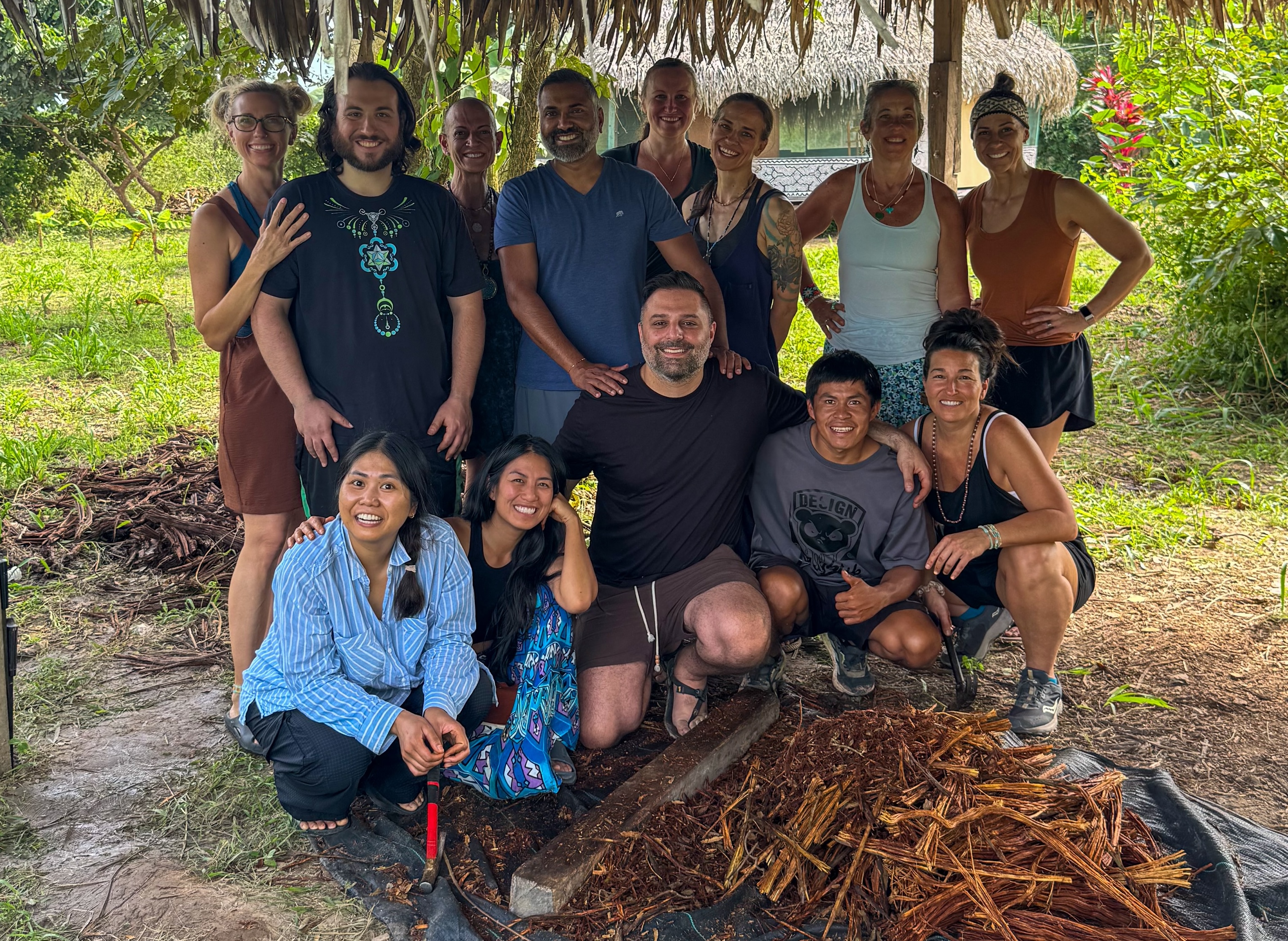
Ayahuasca is a plant sacrament that indigenous communities in the Amazon basin of South America have used for centuries for healing, spiritual exploration, and connection with nature. It is typically prepared as a brew from the ayahuasca vine (Banisteriopsis caapi) and the leaves of the chacruna plant (Psychotria viridis).
At 963 Tribe Church, we call it a sacrament and we hold it in a religious setting. Our retreats step away from daily noise and combine plant medicine ceremonies with sound healing, breathwork, yoga, and meditation. Facilitators guide the whole process.
Ayahuasca does not do the work for you. As our ceremony guidelines put it, the sacrament "will hold you as YOU do the work yourself."
Why Does a Las Vegas Church Follow a Shipibo Lineage?
People usually ask about our name first, so I'll start there.
"963" refers to the 963 Hz frequency, part of the ancient Solfeggio sound frequencies. It is known as the "God frequency" because it is said to resonate with the crown chakra. Sound is central to how we practice, so the name reflects who we are. Translated simply, 963 Tribe means God's Tribe.
Sound is also why the Shipibo lineage matters to us. The Shipibo are one of the most revered spiritual traditions of the Peruvian Amazon. Their teachings have been carried through generations of master healers called curanderos, who guard this knowledge. Those teachings shape our ceremonies, from how the plant sacraments are prepared and used to the sacred healing songs called icaros.
Three Shipibo teachings guide us most:
Sacred reciprocity (Ayni): a balanced exchange between people and nature.
Spiritual healing and protection: using sacraments and ritual to cleanse, heal, and protect the spirit.
Icaros as spiritual guidance: songs that carry the power to heal, protect, and elevate consciousness during ceremony.
We see ourselves as a bridge between that ancient wisdom and the modern spiritual seeker. You can read more on our Shipibo lineage page.
[Author: add one short first-person moment here, such as when you first sat in ceremony or what you noticed the first time you heard icaros. Keep it specific: where, when, what you saw or felt.]
Shipibo teachings are the foundation of 963 Tribe Church's ayahuasca retreats, and every ceremony we hold traces back to that lineage.
Is There an Ayahuasca Retreat Near Me?
If you are in or near Nevada, yes. Our church is based in Las Vegas, and our upcoming gatherings are posted on the ceremony calendar. We also share announcements on Instagram, where our bio lists ayahuasca, San Pedro, and community gatherings, and on Facebook.
If you're looking for "ayahuasca near me" and aren't sure you're ready for a ceremony, you don't have to start there. Our church offers several ways to take part:
Way to take part | What it involves | Sacrament required? |
Ayahuasca ceremony | Full participation in a structured sacred ceremony, including the sacrament | Yes |
Integration circles | Group sharing and reflection after ceremony | No |
Spiritual teachings | Teachings on our beliefs and practices | No |
Meditations and wellness gatherings | Community practices held throughout the month | No |
Social activities | Meeting other members of the tribe | No |
You do not need to take the sacrament to be a member of 963 Tribe Church. Membership extends beyond ceremony, and everyone is welcome at our community events. Many people come to a few gatherings before deciding whether ceremony is right for them, and that is a perfectly good way to begin.
Finding an ayahuasca retreat near you can start with community events, long before you sit in ceremony.
How Do I Choose a Safe Ayahuasca Retreat?
Safety should be the first thing you look for, and it is the part you can check. Whether you're considering us or someone else, ask these questions before you commit.
What to ask | What it should look like |
Is there health screening? | Participants disclose medical conditions confidentially before the ceremony. At 963 Tribe Church this is part of pre-screening. |
Do they involve your doctor? | You consult a healthcare provider about any medical concerns first. We require this. |
Who leads the ceremony? | Experienced facilitators who prioritize safety, consent, and integration. |
Is there an emergency plan? | Emergency protocols, trained facilitators on-site, and access to medical assistance if necessary. |
Do they tell you how to prepare? | Clear instructions on diet, medications, and mindset well before the date. |
Is there integration afterward? | Circles and one-on-one support after the ceremony. |
Are they honest about legal risk? | A clear explanation of the group's legal position, including what is not guaranteed. |
Here is how we handle each of these.
Screening and medications. Some medications and health conditions are contraindicated with earth sacraments. Our guidelines require that antidepressants containing SSRIs or MAOIs be discontinued at least four weeks before a ceremony, and hypertension medications at least two weeks before. We ask you to tell the facilitators about every medication you have taken. Please speak with your physician before changing any medication. Do not stop anything on your own. If a condition or medication presents a risk, we may recommend other ways to engage with the community.
Facilitators. Our facilitators create a safe, sacred environment and support each person before, during, and after the ceremony. They hold the energy of the space and call in the plants to help illuminate the path.
Staying through the ceremony. For safety, participants stay on the ceremony grounds until the ceremony ends, so facilitators can support everyone and no one is left vulnerable during an intense moment. If you need a break, a facilitator or guardian will walk with you to a calm area outside the ceremonial space.
Our safety record. We state that 963 Tribe Church has a 100% safety record, and that we are committed to keeping it. The protocols behind it are pre-screening, trained facilitators and emergency plans on-site, required consultation with a healthcare professional, and integration support. You can read the full list on our FAQ page.
A safe ayahuasca retreat is one that screens you, prepares you, stays with you through ceremony, and supports you afterward.
Peru vs. USA: Which Is Better?
Neither location is better on its own. What matters is the lineage behind the ceremony and the care around it.
Ayahuasca comes from the Amazon basin, and the Shipibo of Pucallpa, Peru are among its most respected keepers. That is the tradition our church is rooted in. We have brought it to Las Vegas so that people can receive those teachings without leaving the country.
Consideration | Ayahuasca retreat in Peru | Ayahuasca retreat in the USA (963 Tribe Church) |
Origin of the tradition | The Peruvian Amazon, the homeland of the Shipibo lineage | Shipibo lineage of Pucallpa, brought to Las Vegas |
Travel | Requires travel to Peru | You can attend in Las Vegas |
Follow-up after ceremony | Depends on the retreat | Integration circles and one-on-one support within your own community |
Legal framework | Depends on the retreat and location | A 501(c)(3) religious non-profit operating under the 508(c)(1)(A) provision and RFRA guidelines |
Ongoing community | Depends on the retreat | Monthly gatherings, integration circles, and social events |
The row that matters most may be follow-up. Our teachings say that ayahuasca's lessons continue long after the ceremony ends. A church near your home lets you keep going to integration circles and community gatherings instead of processing everything alone.
I can only speak for our own practice. For any retreat in either country, ask the same safety questions from the section above.
For a lot of people, the better choice is the retreat they can prepare for properly, travel to safely, and integrate from afterward.
How Much Does an Ayahuasca Retreat Cost?
At 963 Tribe Church, ceremonies are supported by donations. You can see the details on our donation page.
Here is how donations work:
Donations support the preparation and facilitation of ceremonies, upkeep of our sacred space, and ongoing church initiatives.
Donations are voluntary contributions. They are not payments for goods, services, or sacraments.
Donations are non-refundable.
If you register but cannot attend, your donation may be applied to a future ceremony, subject to availability. Please tell us as soon as you know.
If you are unable to give a donation, contact us. We try to accommodate everyone committed to spiritual growth.
When you compare any retreat on cost, ask what the money covers and what happens if your plans change.
How Do I Prepare for an Ayahuasca Ceremony?
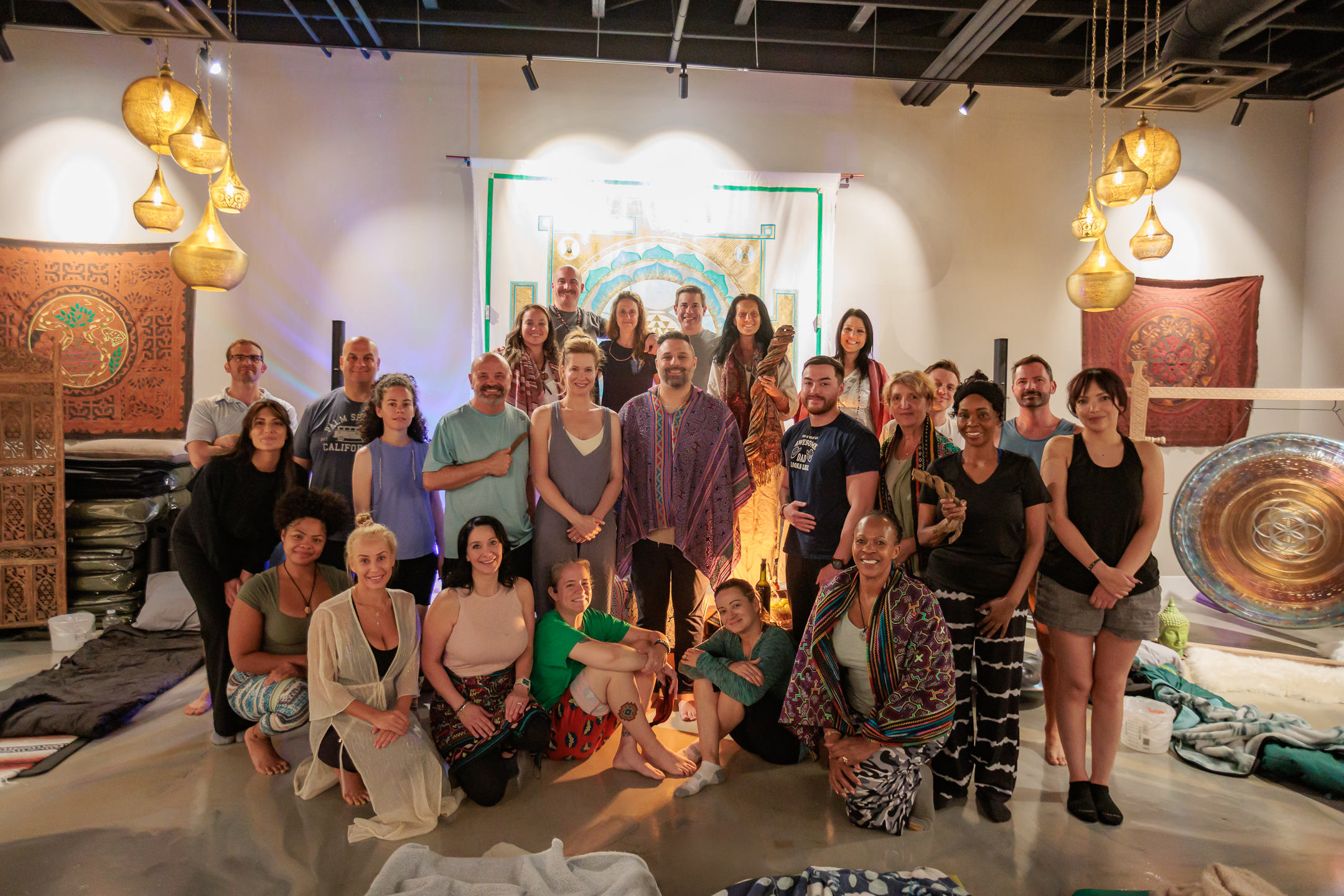
Preparation starts about two weeks before the ceremony. These steps come straight from our guidelines.
What should I eat and avoid before ceremony?
When | What to avoid |
Two weeks before | Cannabis; street drugs (cocaine, MDMA, amphetamines); pork; spicy foods that burn the mouth or tongue; ice, ice cream, and ice-cold drinks |
One week before | Refined sugars; red meat; junk food; salt and pepper (use salt very sparingly); oils (use olive or coconut oil sparingly if you must); animal fats; carbonated and fermented drinks, including kombucha; dairy; fermented foods such as kimchi, sauerkraut, vinegar, kefir, pickles, and yogurt; caffeine and other stimulants |
Ceremony day | Stay hydrated; eat your last meal at least six hours before; keep meals light; abstain from sexual activity of any kind; stay off social media and news |
Step-by-step preparation
Talk to your doctor. Get medical clearance, especially if you have a history of mental or physical health concerns.
Tell the facilitators about your medications. Disclose conditions confidentially during pre-screening.
Follow the diet. Start two weeks out, then tighten one week out.
Calm your mind. Meditation, journaling, yoga, Qi Gong, and hot baths all help. Avoid arguments, the news, and busy places like shopping malls.
Set an intention. Focus on what you want to release, cultivate, or discover. Then let go of expectations about how it will unfold.
Pray. Pray for yourself and for others, and approach the ceremony with humility.
Arrive on time. Show up present, and leave the standard world at the door.
What should I bring?
Loose, comfortable clothing
A sleeping mat or yoga mat, a sleeping bag, and a pillow (no wider than a standard yoga mat)
A refillable water bottle
A journal and pen
A comfort item, such as a favorite blanket, stuffed animal, or crystal
Toothbrush, toothpaste, and other hygiene items
Your medications, with the facilitators informed
An instrument, if you play one (your facilitator will schedule time for it)
Preparing for an ayahuasca ceremony is a two-week process that includes the body, the mind, and the spirit.
What Should I Expect During an Ayahuasca Ceremony?
Every ceremony is different, and experiences vary from person to person. You may meet insights, emotional release, or profound moments of connection with the Divine, yourself, and others. The ceremony itself is structured and respectful, with periods for reflection, music, and guided meditation. Facilitators and guardians are present throughout.
We are honest about the intensity. Our guidelines describe ayahuasca as a sacrament that:
Teaches through deep contrast, so you may experience hell and heaven, bliss and terror, in a single night.
Shines a bright light on your shadow, which can bring up pain, despair, or hopelessness.
Goes to the root of your being and brings up material you haven't yet felt or known.
Works in paradoxical ways and may wound in the interest of healing.
For that reason we ask you to enter with courage and a clear intention.
The ceremony also has ground rules that protect everyone in the space:
Keep silent and avoid unnecessary talk or movement.
No phones or other electronic devices.
Don't touch others or interfere with another person's process without permission.
Don't take other substances or plants without permission.
Ask permission in advance if you need to arrive late or leave early.
Put your own safety and well-being first.
Music is a big part of the night. Our icaros, the sacred healing songs, are channeled from our sacraments and inspired by our ceremonies. They move energy and deepen connection with our spiritual guides and the plants. If you'd like a taste of the sound before you attend, our music is streaming on major platforms and our YouTube channel is open to everyone.
An ayahuasca ceremony at 963 Tribe Church is intense by design, and it is also structured, supervised, and held in a sacred container.
What Happens After the Ceremony?
The ceremony is only part of the journey. Integration is where the lessons become part of your daily life.
After ceremony, 963 Tribe Church offers integration circles and one-on-one support. Facilitators give tools for reflection, journaling, and community discussion. Journaling, meditating, and spending time in nature are also good ways to process what came up.
Our guidelines suggest being careful in three areas.
For the body (3–7 days at minimum): avoid salt, sugar, red meat and pork, spices, garlic and onions, alcohol, caffeine, processed or fried foods, and dairy. Cannabis can reopen visions too early or confuse integration. If you take prescription medication, check with your integration team or doctor.
For your energy (7–14 days for sexual activity): avoid sexual activity, crowds and busy places such as clubs, malls, airports, and concerts, strong media such as horror and violent films, and gossip, drama, and arguments.
For the mind:
Don't over-analyze the experience. Let it unfold.
Rest, journal, walk in nature, or talk with someone experienced in integration.
Don't make major life decisions right away. Give powerful visions a few days or weeks to settle before you quit a job or end a relationship.
Integration is what turns one night of ceremony into lasting change.
What Is the Legal Status of 963 Tribe Church's Ceremonies?
We want to be clear about this, because you deserve a straight answer.
963 Tribe Church is a 501(c)(3) religious non-profit operating under the 508(c)(1)(A) provision. We rely on First Amendment protections and follow the guidelines of the Religious Freedom Restoration Act (RFRA). We use sacred plant sacraments only within religious ceremonies, never recreationally or outside ceremonial settings, and we keep accurate records of attendance and sacrament use.
We also tell participants plainly that personal legal protection is not guaranteed, because the use of plant sacraments is subject to evolving legal frameworks. Participants sign a liability waiver and take personal responsibility for their participation. You can read more about what we believe on our beliefs page.
Key Takeaways
Ayahuasca retreats in the USA, including 963 Tribe Church in Las Vegas, bring Shipibo-rooted ceremony closer to home.
You don't have to take the sacrament to join the church. Community events are open to everyone.
A safe retreat has screening, medical consultation, trained facilitators, emergency protocols, and integration.
Medications matter. SSRIs and MAOIs must be stopped at least four weeks before, and hypertension medications at least two weeks before. Always talk with your doctor first.
Our ceremonies run on voluntary donations, not payments.
Preparation starts two weeks before the ceremony, and integration continues for days and weeks after.
More Questions About Ayahuasca Retreats
Do I have to take the sacrament to attend a ceremony?
Yes, ceremonies involving the sacrament require full participation, including consuming it. If you'd rather not, you can still be a member and join our integration circles and community events.Can I leave a ceremony early if I feel uncomfortable?
Participants stay on the ceremony grounds until the ceremony is complete. If you need a break, a facilitator or guardian will accompany you to a calm area, and emergency protocols are in place if you need immediate care.Who can join 963 Tribe Church?
Everyone. We welcome people of all spiritual paths and backgrounds, and we honor the diversity of every person's journey.What medical conditions or medications should I consider first?
Some medications and health conditions are contraindicated with earth sacraments. Disclose your history to our facilitators in confidence and consult your healthcare provider before you attend.Where can I see upcoming ceremonies?
Visit our calendar or follow us on Instagram and Facebook. More posts are on our blog.
963 Tribe Church is a 501(c)(3) religious non-profit and faith-based community in Las Vegas, devoted to spiritual connection, personal growth, and unity through sacred entheogenic ceremonies. This post describes our own religious practices and is not medical advice. Please consult a physician or qualified healthcare provider about any medical condition.
