How to Prepare for Your First Ayahuasca Retreat in Las Vegas
If you're preparing for your first Ayahuasca Retreat, the short answer is this: preparation is not optional; it's the ceremony's foundation. At 963 Tribe Church, preparing for an Ayahuasca Retreat in Las Vegas means adjusting your diet, clearing your schedule, disclosing your health history to facilitators, and setting a clear intention weeks before you ever sit in a circle. Skipping this groundwork doesn't just make the ceremony harder; it can compromise your safety and the safety of everyone around you.
I remember sitting in the parking lot before my first ceremony with 963 Tribe, running through a checklist on my phone one more time. I'd spent two weeks adjusting what I ate. I'd written my intention in a journal three separate times because the first two drafts felt too vague. I still felt nervous. What I didn't feel was unprepared, and that distinction made all the difference once the ceremony began.
This post walks through what preparing for an Ayahuasca Retreat in Las Vegas with 963 Tribe Church actually looks like, told through that experience and grounded entirely in how our community approaches it.
What Is 963 Tribe Church?
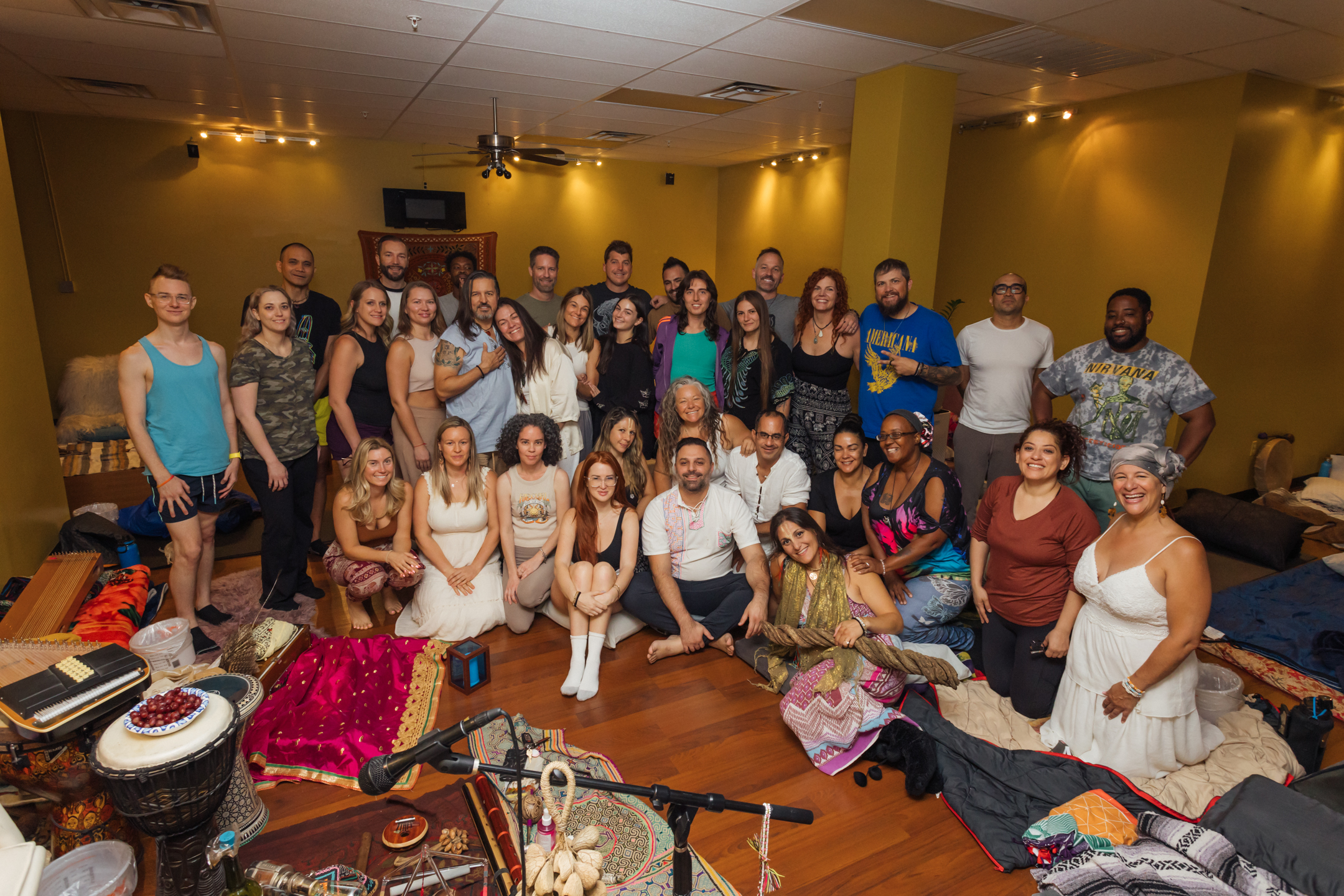
963 Tribe Church is a 501(c)(3) non-profit religious institution operating under the 508(c)(1)(A) provision, based in Las Vegas. We're a faith-based community centered on sacred entheogenic ceremonies rooted in the teachings of the Shipibo lineage of Pucallpa, Peru. Our ceremonies use holy sacraments we consider gifts from Pachamama, the Earth Mother, as tools for spiritual connection, healing, and communion with the Creator.
The name itself carries meaning. The 963 Hz frequency is one of the ancient Solfeggio sound frequencies, sometimes called the "God frequency" because it's associated with the crown chakra and a sense of Divine connection. "963 Tribe" translates, in spirit, to "God's Tribe", a community united around sound, sacrament, and shared purpose.
Our ceremonies are guided by icaros, the sacred healing songs of the Shipibo people, channeled during ceremony to move energy and deepen the connection between participants, facilitators, and the plant allies at the center of our practice.
963 Tribe Church exists to provide a sacred, safe space where people can explore sacrament-based spiritual practice within a structured, faith-rooted community, not as a retreat brand, but as a religious congregation.
Why Does Preparation Matter Before an Ayahuasca Retreat?
Ayahuasca is a sacred plant sacrament prepared from the Ayahuasca vine (Banisteriopsis caapi) and the leaves of the Chacruna plant (Psychotria viridis). At 963 Tribe Church, we describe it as Madre Medicina, Grandmother Spirit, because of how directly and personally it engages with a participant's inner world.
The sacrament teaches through contrast. A single night can move between bliss and difficulty, clarity and confusion. It has the capacity to surface psychic material a person hasn't yet consciously acknowledged. Because the experience can be intense, the body, mind, and spirit all need to arrive ready.
Preparation isn't a formality at 963 Tribe. It's treated as part of the ceremony itself, not a separate task to check off before the "real" experience begins.
Preparing properly for Ayahuasca is what allows the sacrament to do its work without the body or mind working against it.
What Should I Expect Physically Before My First Ceremony?
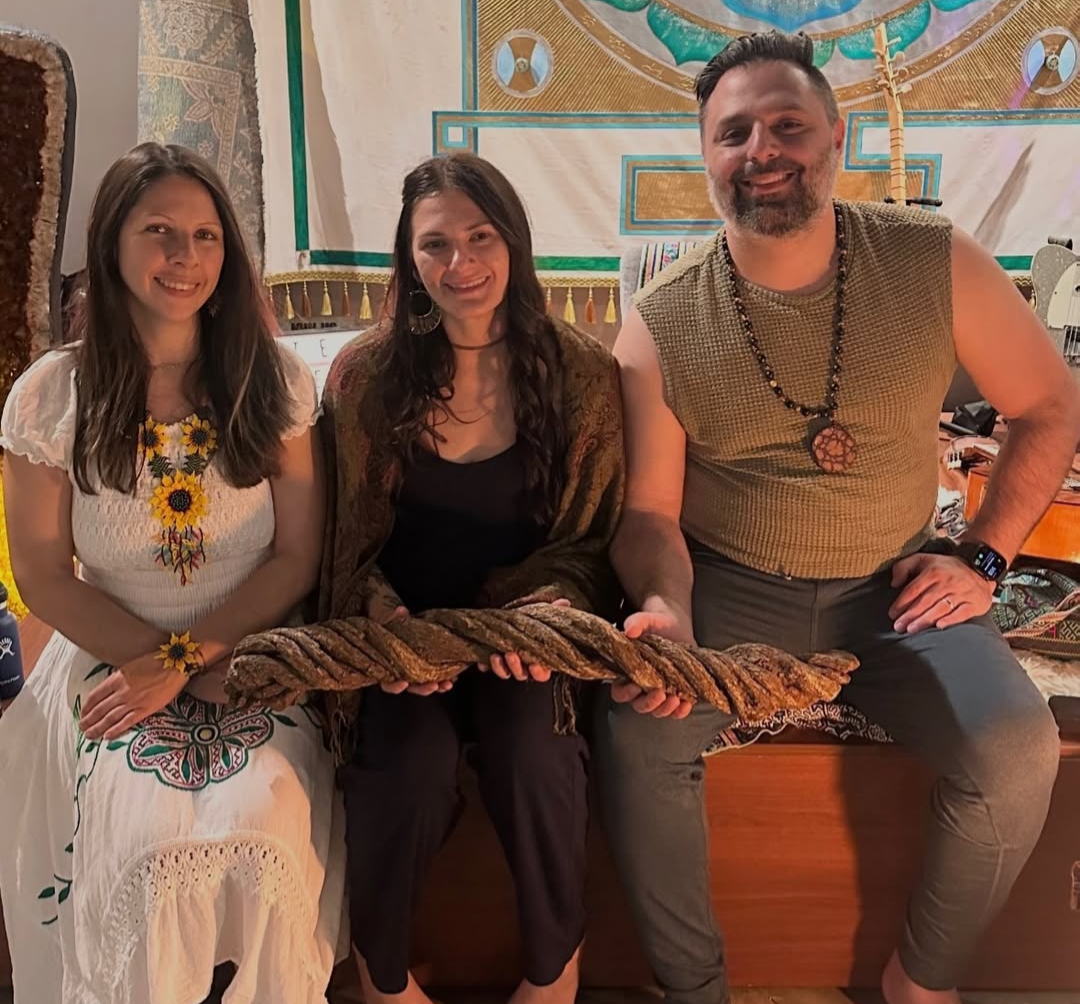
963 Tribe Church asks participants to gradually adjust their diet in the weeks leading up to ceremony. The idea is to lighten the body and reduce anything that might interfere with the sacrament's effects or the participant's own sensitivity during ceremony.
This is a gradual process, not a single overnight switch. Facilitators walk each participant through the full guidance individually, because dietary and medical preparation needs to be personalized, especially around any medications a participant is taking. Anyone preparing for ceremony with 963 Tribe Church is required to disclose their full medical and medication history confidentially to facilitators during pre-screening, and to consult with their own healthcare provider before participating. This step isn't optional; it's part of how our 100% safety record is maintained.
On the day of ceremony itself, participants are asked to:
Stay well hydrated throughout the day
Eat their last meal at least six hours before ceremony begins
Abstain from sexual activity, including masturbation, to conserve energy
Stay off social media and the news to keep the mind clear and focused on intention
Physical preparation at 963 Tribe Church is designed to bring the body into a lighter, more receptive state, not to be restrictive for its own sake.
How Do I Prepare Mentally and Emotionally?
The night before my ceremony, I sat with my journal and wrote out what I wanted to release and what I hoped to invite into my life. My facilitator had told me during intake: set the intention, then let go of any expectation about how it will unfold. That letting go turned out to be harder than the writing.
963 Tribe Church encourages participants to:
Set a clear, specific intention before ceremony
Reflect on what they want to release or invite, without gripping tightly to outcomes
Engage in calming practices like journaling, yoga, Qi Gong, or meditation in the days leading up
Avoid stressful situations, arguments, or heavy news consumption in the run-up to ceremony
Mental preparation matters because Ayahuasca ceremonies at 963 Tribe are not passive experiences. Participants are active in their own healing process, the sacrament holds the space, but the person still has to do the inner work.
Setting intention and quieting the mind beforehand is what allows a participant to actually meet the ceremony, instead of being caught off guard by it.
What Should I Actually Pack for an Ayahuasca Ceremony?
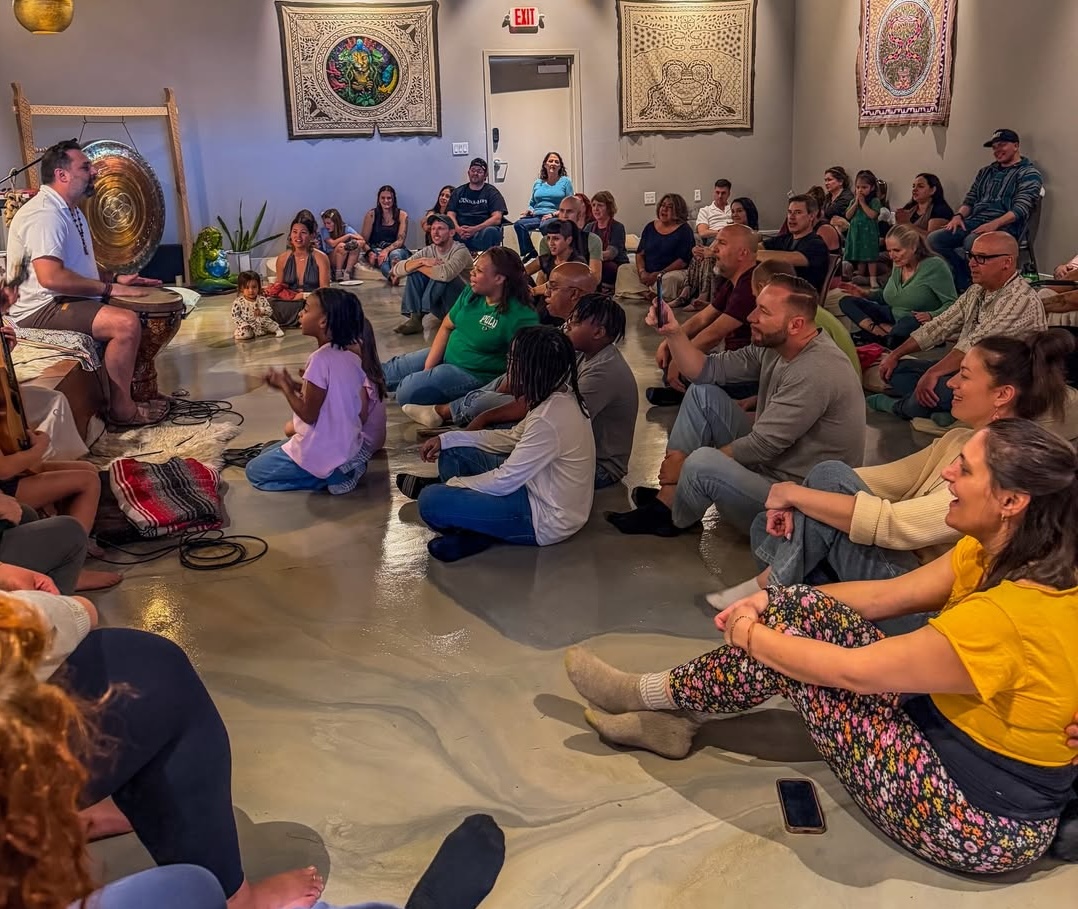
Here's what 963 Tribe Church recommends bringing to ceremony:
Category | What to Bring | Why It Matters |
Clothing | Comfortable, loose-fitting clothes | You'll need to move and breathe easily during ceremony |
Bedding | Sleeping mat or yoga mat, sleeping bag, pillow | For rest before, during, or after ceremony |
Hydration | Refillable water bottle | Staying hydrated is part of ceremony-day guidance |
Reflection tools | Journal and pen | To record insights, messages, and experiences |
Comfort items | A blanket, crystal, or other personal item | Familiar objects can offer grounding during an intense process |
Hygiene | Toothbrush, toothpaste, basic essentials | For overnight stays in the ceremony space |
Medications | Any prescribed medications, disclosed to facilitators | Facilitators need to know what you've taken and when |
Instruments | An instrument, if you play one | Facilitators can schedule time for you to play during ceremony |
Packing for an Ayahuasca ceremony with 963 Tribe Church is less about gear and more about arriving with what supports grounding, reflection, and rest.
What Happens During the Ceremony Itself?
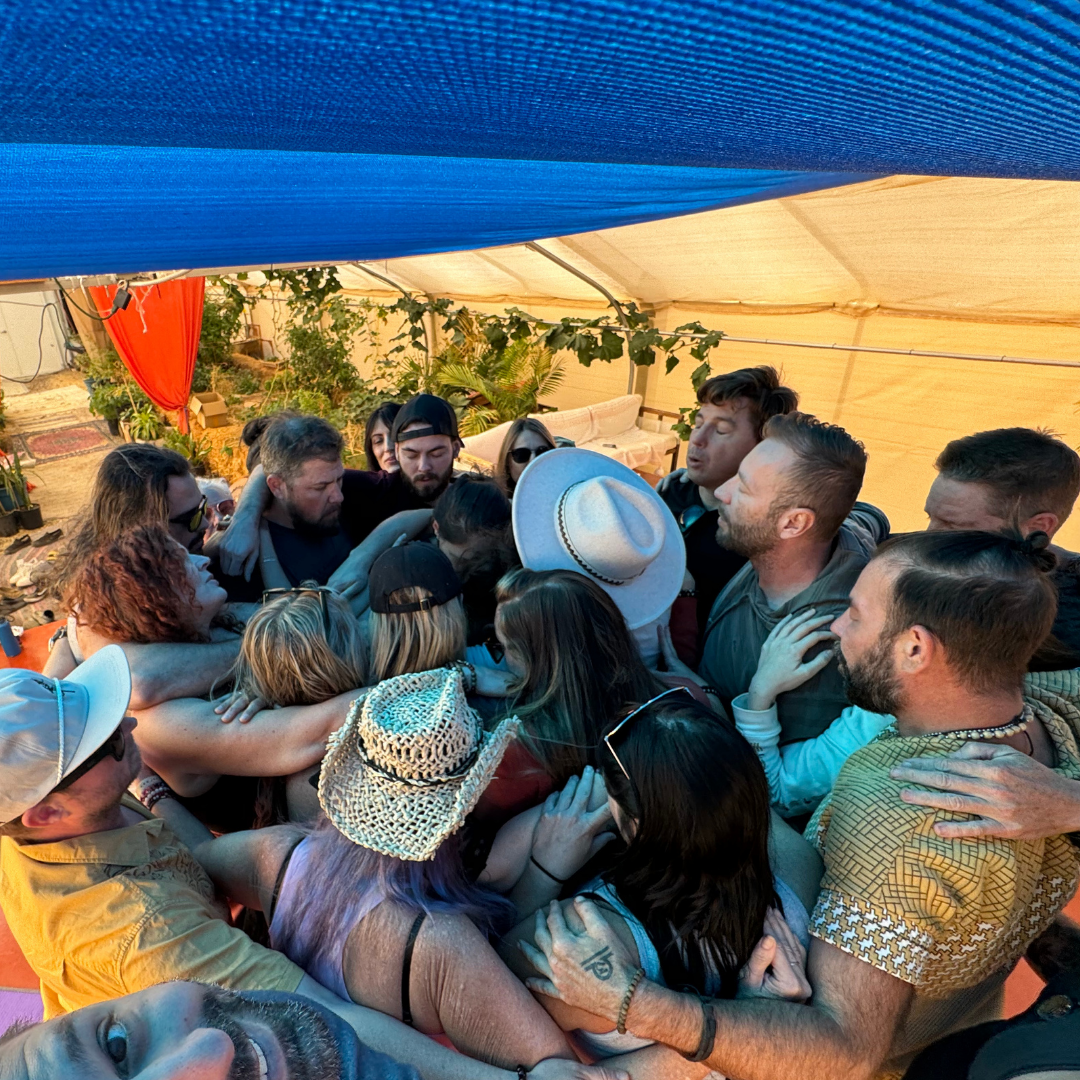
Every ceremony is different, and 963 Tribe Church is upfront about that. Some participants describe emotional release. Others describe moments of clarity or a felt sense of connection to something larger than themselves. The structure, though, stays consistent: periods of music, guided reflection, and quiet, all held within a sacred container led by experienced facilitators.
During ceremony, participants are asked to:
Remain within the ceremony grounds until completion, for the safety and integrity of the process
Avoid touching others or interfering with someone else's process without permission
Maintain silence and avoid unnecessary conversation or movement
Leave electronic devices, including phones, out of the ceremony space
If a participant needs a break, a facilitator or guardian accompanies them to a calm space outside the ceremony to ground and reflect before returning. Emergency protocols and trained facilitators are in place at all ceremonies, and 963 Tribe Church maintains what we describe as a 100% safety record through pre-screening, on-site facilitation, and post-ceremony integration support.
A 963 Tribe Church ceremony is structured specifically so that participants are held and supported from the moment they arrive until well after the ceremony ends.
What Comes After the Ceremony, And Why Integration Matters
The morning after my ceremony, I didn't rush home. I sat outside the ceremony space for a while, journaling before I said goodbye to anyone. That pause turned out to matter more than I expected.
963 Tribe Church treats integration as a continuation of the ceremony, not an afterthought. In the days and weeks following, participants are encouraged to avoid major life decisions until insights have had time to settle, and to lean on journaling, time in nature, and conversations with people experienced in integration rather than trying to intellectualize everything immediately.
Community support is part of this too. 963 Tribe Church offers integration circles and one-on-one support after ceremonies, along with regular community events, potlucks, wellness gatherings, and social activities, that participants can engage with whether or not they're preparing for another ceremony.
Integration at 963 Tribe Church is where the insights from ceremony are actually anchored into daily life, without it, the experience risks staying just an experience.
Who Can Attend a 963 Tribe Church Ceremony?
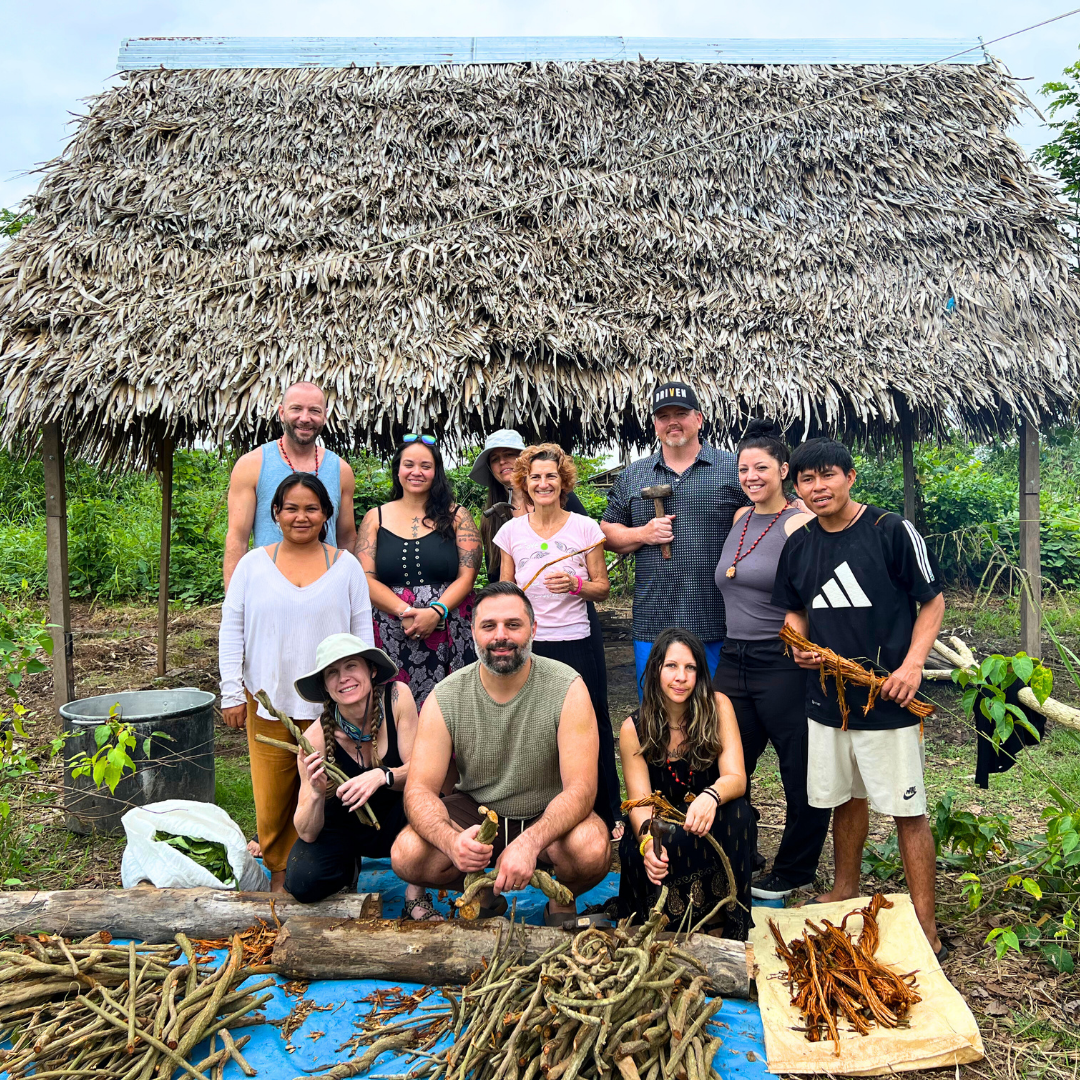
963 Tribe Church welcomes individuals from all spiritual paths and backgrounds. You don't need any prior experience with plant sacraments, and you don't need to share a specific religious background to participate. What's required is a willingness to engage honestly during pre-screening, follow the preparation guidance provided, and approach the ceremony with humility and respect for the container everyone is sharing.
Participation in a sacrament ceremony does require full participation, including consuming the sacrament, but membership in the 963 Tribe community is broader than that. Anyone can join community events, integration circles, and social gatherings without ever attending a ceremony.
Frequently Asked Questions
Is Ayahuasca legal in Las Vegas?
963 Tribe Church operates as a 501(c)(3) religious non-profit under the 508(c)(1)(A) provision, protected by the First Amendment and guided by the Religious Freedom Restoration Act (RFRA). Sacraments are used strictly within religious ceremonial settings, never recreationally, and accurate records are maintained for every ceremony.Do I need experience with plant medicine to attend my first ceremony?
No. 963 Tribe Church welcomes first-time participants. What matters most is honest disclosure during pre-screening and a genuine willingness to prepare and follow facilitator guidance.What if I need to cancel after registering?
Donations to 963 Tribe Church are voluntary contributions toward ceremony preparation and community upkeep, not payments for goods or services, so they're non-refundable. If your plans change, notify the church as early as possible; your donation may be applied toward a future ceremony, subject to availability.Can I leave the ceremony early if I feel uncomfortable?
Participants are asked to remain within ceremony grounds until completion to preserve the safety of the sacred container. If you need a break, a facilitator or guardian will accompany you to a calm space outside the ceremony until you're ready to return.What should I do if I'm on medication?
Disclose all medications to 963 Tribe Church facilitators confidentially during pre-screening, and consult your own healthcare provider before participating. Some medications and conditions may not be compatible with sacrament ceremonies, and facilitators will work with you to determine safe next steps.
Key Takeaways
Preparing for an Ayahuasca Retreat in Las Vegas with 963 Tribe Church starts weeks in advance with dietary adjustments and honest medical disclosure to facilitators.
Mental and emotional preparation, setting intention, journaling, and quieting the mind, is treated as seriously as physical preparation.
Ceremonies are held within a structured, safety-focused container led by experienced facilitators, with emergency protocols in place throughout.
Integration after the ceremony is where insights get anchored into daily life, supported by 963 Tribe's integration circles and community events.
963 Tribe Church welcomes newcomers from any spiritual background, and membership extends beyond ceremony participation into a wider faith community.
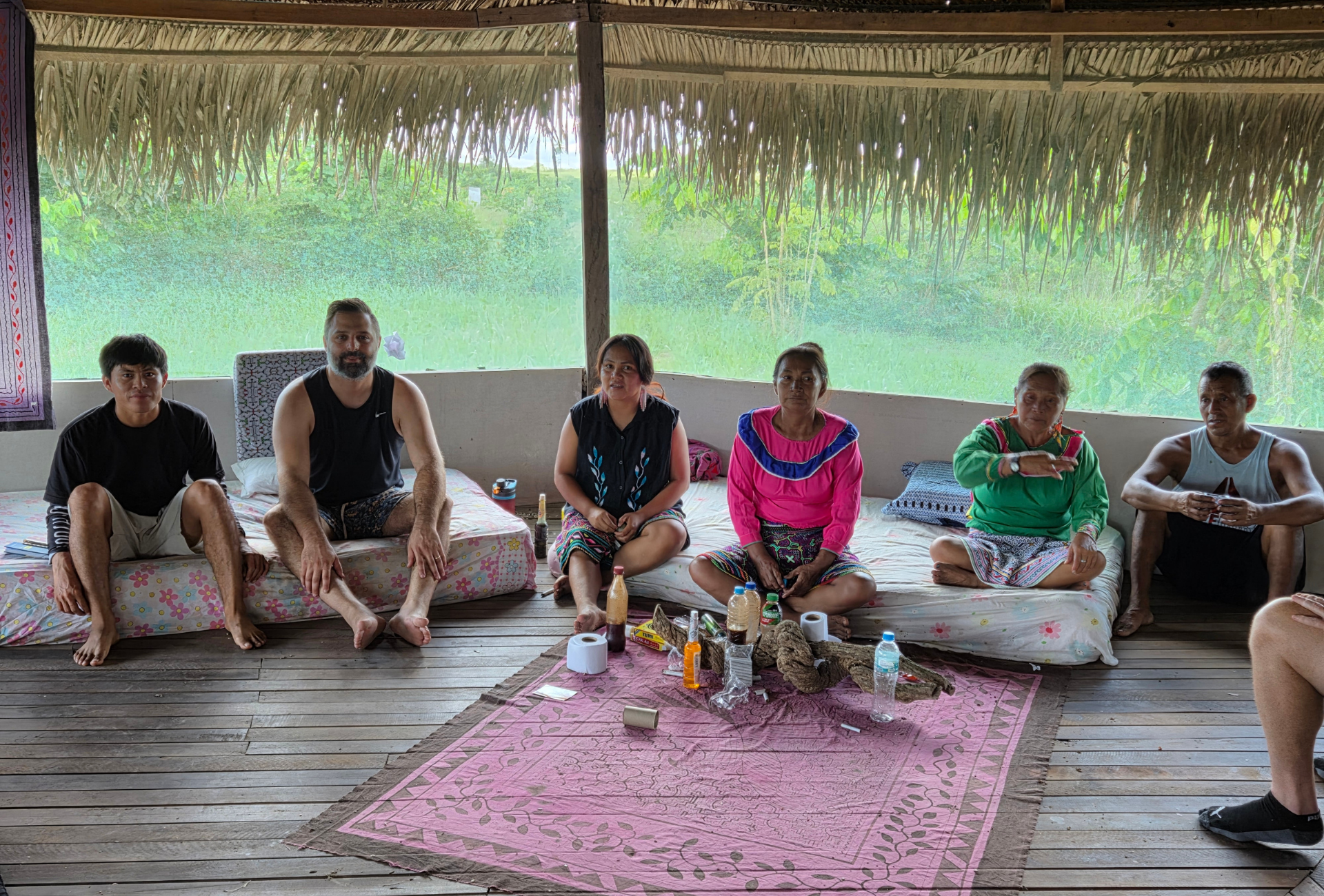
To learn more about our community, our Shipibo lineage, or to explore attending a ceremony, visit 963tribe.com, read our Statement of Beliefs, check the ceremony calendar, or reach out through our get involved page. You can also follow 963 Tribe Church on Instagram, Facebook, and YouTube.
