Ayahuasca vs. Bufo (5-MeO-DMT): What's the Difference and Which Is Right for You?
Ayahuasca and Bufo (5-MeO-DMT) are both sacred entheogenic sacraments offered at 963 Tribe Church, a 501(c)(3) faith-based religious community in Las Vegas, Nevada, but they are profoundly different in origin, duration, depth of experience, and what they are best suited for. Ayahuasca is a plant brew from the Amazon that works over four to six hours, guided by ancient Shipibo icaros and ceremonial tradition. Bufo is a sacred toad sacrament from the Sonoran Desert, delivering a brief but total immersion, often described as a complete spiritual rebirth, lasting twenty to forty-five minutes. This post lays out the honest differences between the two sacraments so you can discern which path is calling you.
What Is Ayahuasca, and Where Does It Come From?
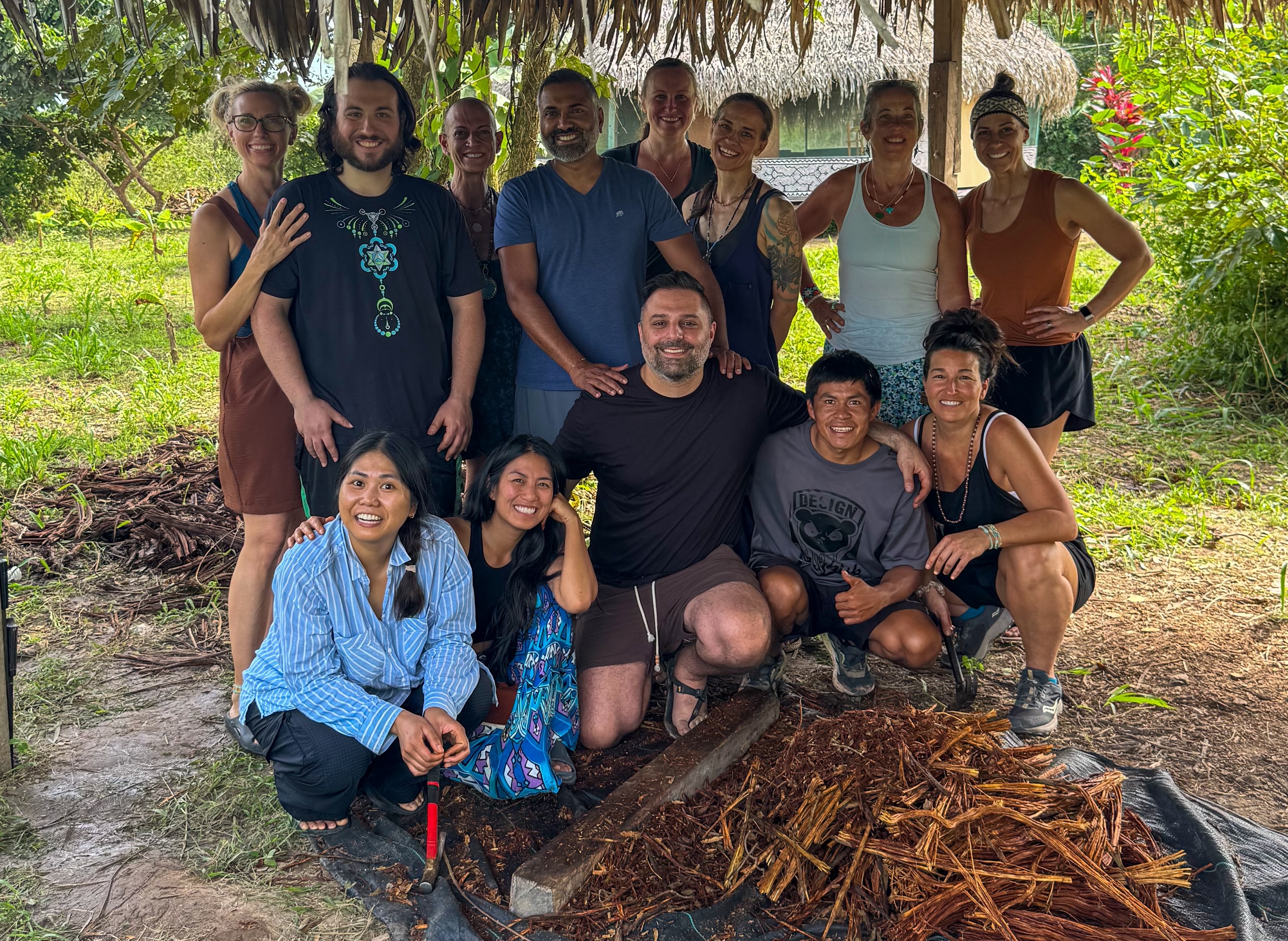
Ayahuasca is a sacred and powerful plant sacrament that has been used for centuries by indigenous communities in the Amazon basin of South America for healing, spiritual exploration, and connection with the natural world. At its core, Ayahuasca is prepared as a brew made from two plants: the Ayahuasca vine (Banisteriopsis Caapi) and the leaves of the Chacruna plant (Psychotria Viridis). These two plants work together in a way that feels nothing short of intentional, as though nature herself designed them to open doors that the everyday mind keeps closed.
At 963 Tribe Church, Ayahuasca ceremony is rooted in the living teachings of the Shipibo lineage of Pucallpa, Peru. The Shipibo people are renowned for their deep connection to the spiritual world and their mastery of plant medicine ceremonies. Their tradition has been passed down through generations of master healers known as curanderos, who serve as guardians of this sacred knowledge. You can learn more about that foundation on the
You can read more about this living heritage on the 963 Tribe Lineage page.
The Shipibo tradition rests on three pillars that inform every Ayahuasca ceremony at 963 Tribe Church: Sacred Reciprocity (Ayni), a harmonious exchange between humanity and nature; Spiritual Healing and Protection, using sacred sacraments and rituals to cleanse, heal, and protect the spirit; and Icaros as Spiritual Guidance, the sacred healing songs that carry the power to heal, protect, and elevate consciousness during the journey.
"Ayahuasca teaches a profound respect for life and the world while facilitating personal healing and self-discovery.", 963 Tribe Church
What Is Bufo (5-MeO-DMT), and Where Does It Come From?
Bufo is 963 Tribe Church's second holy sacrament. Often referred to as Bufo, Sapito, or simply "Toad Sacrament," this sacred medicine originates from the Sonoran Desert and has been used in various indigenous rituals throughout the region for centuries. The sacrament comes from the Bufo Alvarius toad, also known as the Colorado River Toad, whose secretion contains potent spiritual compounds including 5-MeO-DMT and bufotenin.
963 Tribe Church sources its holy Bufo sacrament directly from the Sonoran Desert in Mexico, in partnership with and with the support of local tribe members. The ethically responsible approach involves a humane, quick, wild catch-and-release method that prioritizes the complete well-being and safety of the animals. The sacrament remains 100% pure, free from industrial processing or alteration. You can learn more about this sacrament at 963tribe.com/bufo.
Where Ayahuasca is rooted in the Peruvian Amazon and the Shipibo lineage, Bufo carries the spirit of the Sonoran Desert, vast, still, and absolute. Both sacraments are honored as sacred gifts from Pachamama, the Earth Mother, at the heart of 963 Tribe's spiritual practice.
"Bufo offers a sensation of rebirth, a complete reset of the mind, spirit, and body.", 963 Tribe Church
How Are the Ayahuasca and Bufo Ceremonies Different?
Duration and Setting
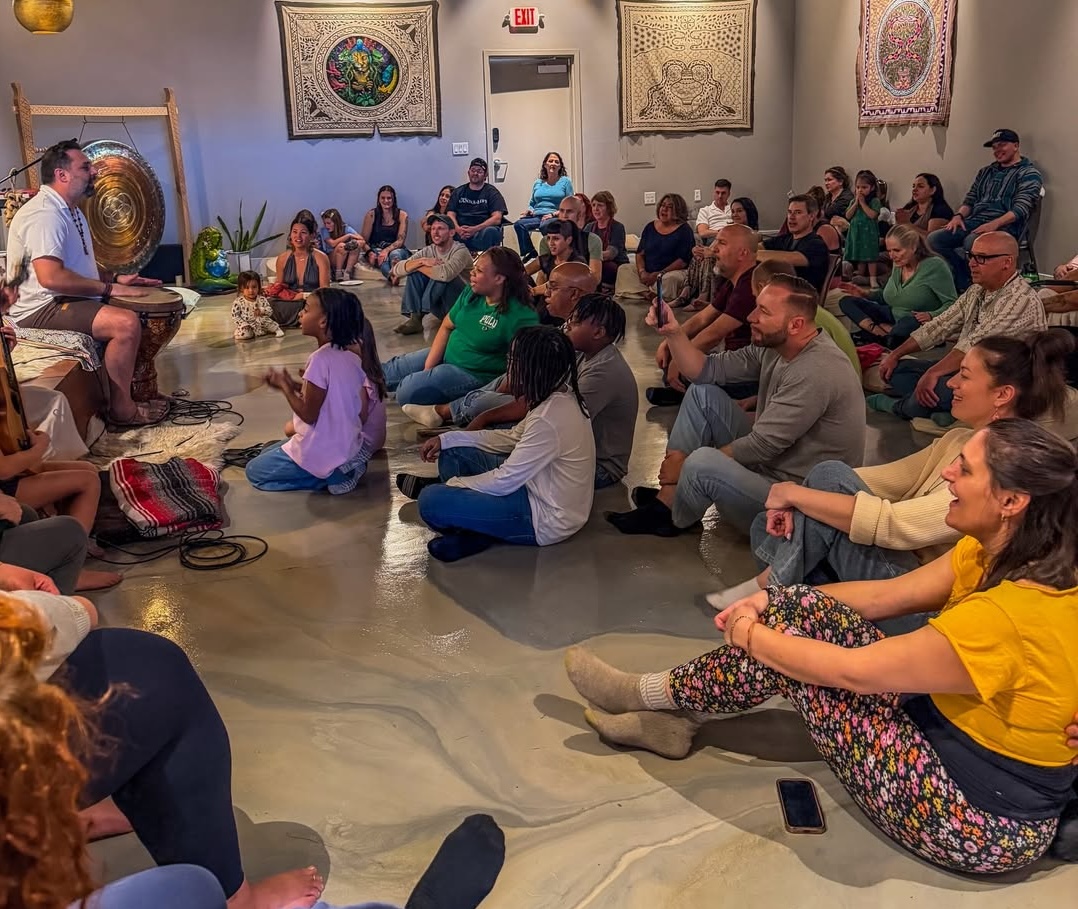
The most immediate difference is time. An Ayahuasca ceremony at 963 Tribe Church typically unfolds over an entire night, a multi-hour journey that moves through layers of experience, from the first stirring of the medicine to full immersion and then a gradual return to ordinary awareness. Participants are asked to arrive on time, to bring a sleeping mat or yoga mat, a sleeping bag, a pillow, a water bottle, and a journal. They are expected to remain within the ceremony grounds until its completion.
A Bufo ceremony, by contrast, is brief. The experience itself typically lasts between twenty and forty-five minutes of active effects, with residual feelings for up to an hour afterward. The preparation is focused: fast for at least six hours before the ceremony, bring a pillow and large blanket, and disclose any medications to the facilitator in advance.
The Nature of the Journey
Ayahuasca works across a full narrative arc. It has been said that this sacrament "teaches through deep contrast and intense extremes." A single ceremony night may hold bliss and terror, laughter and weeping, profound insight and total confusion, sometimes within the same hour. Ayahuasca shines a light on the shadow, a very bright light that may surface feelings of pain, despair, or hopelessness that have been buried for years. It goes down to the root of your being and brings up psychic material you haven't yet felt, acknowledged, or known. That can be confronting. It can also be the most liberating thing a person ever experiences.
Bufo works differently. Rather than a journey with a narrative, Bufo tends toward what can only be described as dissolution, a temporary release from the self entirely. Many participants describe it as experiencing complete oneness: the sense of "I" falling away, replaced by a vast, undifferentiated awareness that some call God, some call Source, and some simply cannot name. The experience does not unfold over hours. It arrives and it is total. And then it recedes, leaving something behind, a felt sense of having been held by something much larger than the personal story.
Sound and Ceremony Structure
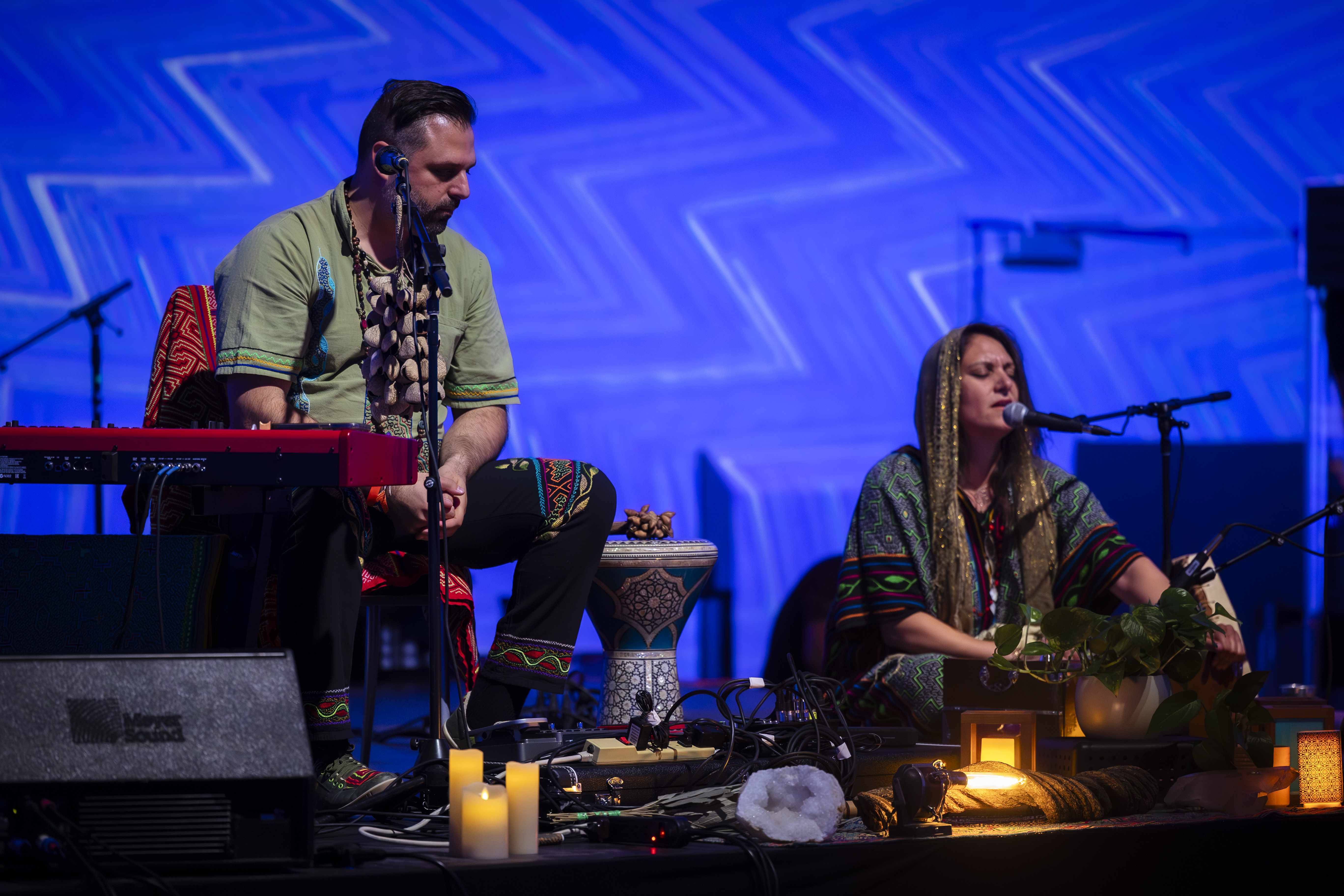
Ayahuasca ceremony at 963 Tribe Church is woven through with icaros, the sacred healing songs of the Shipibo tradition. These songs are not background music. They are the medicine working through sound. Channeled from the sacraments themselves and inspired by the ceremonies, icaros move energy, deepen connection with spiritual guides, and support the entire group through each phase of the journey. 963 Tribe's ceremonial music is also available for streaming on all major platforms, so participants can connect with the essence of ceremony at any time.
A Bufo ceremony involves a different kind of intentional structure, shorter, more inward, and intensely focused. After an opening conversation about purpose and intention, grounding practices, and the opening of the sacred container, the sacrament is administered through inhalation. The facilitator remains fully present throughout.
What Are the Spiritual Benefits of Ayahuasca?
From 963 Tribe Church's direct experience holding these ceremonies, Ayahuasca serves participants in the following ways:
● Deep emotional and spiritual healing that moves through layers of personal history
● Recovery from depression, anxiety, and patterns of addiction
● Greater self-awareness and understanding of one's own nature
● A renewed sense of purpose and appreciation for life
● Enhanced creativity and a felt connection with the natural world
● Release of grief, trauma, and long-held burdens
● Communion with what participants often describe as the Divine, the Creator, or the deep intelligence of Pachamama
963 Tribe's website notes that it is believed a single Ayahuasca session has the potential to be as effective as ten years of psychotherapy or meditation. This is not a promise, it is a reflection of what people consistently report when the ceremony is held in a genuinely sacred container with experienced facilitators.
What Are the Spiritual Benefits of Bufo (5-MeO-DMT)?
Bufo offers its own distinct pathways to healing and transformation. 963 Tribe Church has observed and supported participants through experiences including:
● Breaking the cycle of various addictions
● Releasing both known and unknown burdens, things the participant may not have been consciously aware were weighing on them
● More restful sleep and physical relaxation
● Deep relief from emotional and traumatic stress
● A profound opening of the heart
● A sensation of rebirth, complete reset of the mind, spirit, and body
● Discovering life's purpose with unusual clarity
● Increased self-love and self-acceptance
● Enhanced communication with spiritual dimensions
● Mental clarity and creative insight that participants report lasting several months after the ceremony
Bufo also supports what 963 Tribe's facilitators describe as activation and cleansing of the pineal gland, a boost to the immune system, and a deepening of one's connection with their own soul, integrating the spiritual and the physical into one coherent sense of self.
How Do You Prepare Differently for Each Ceremony?
Preparing for Ayahuasca
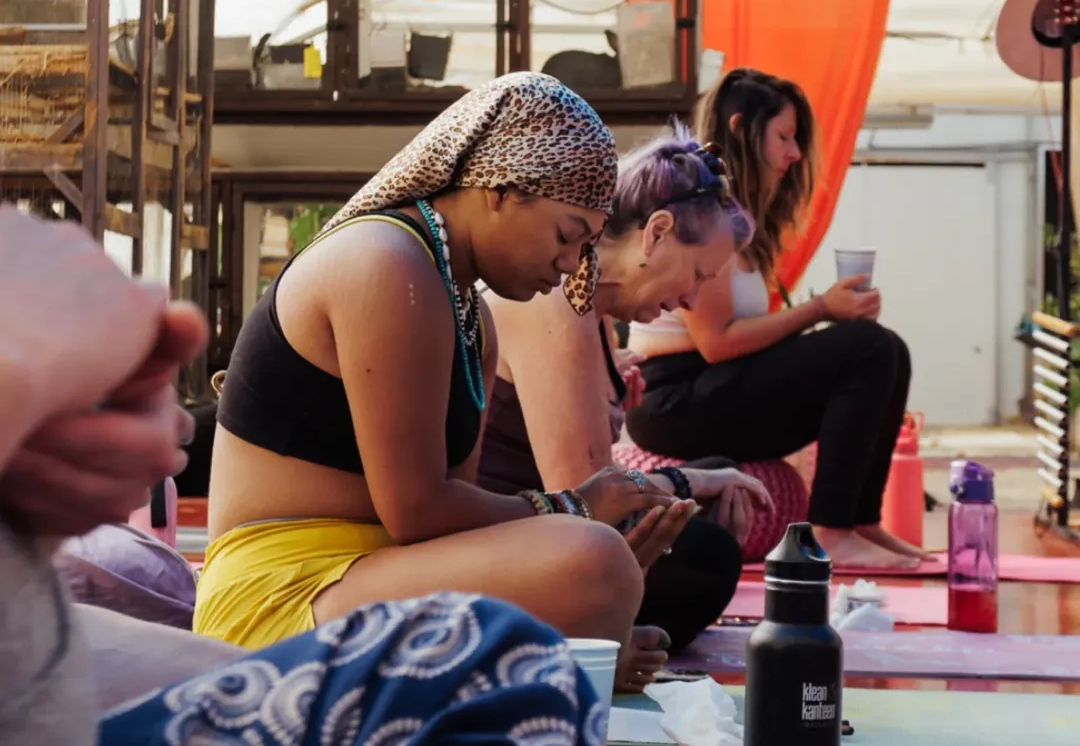
Preparation for Ayahuasca at 963 Tribe Church begins two weeks before the ceremony. The physical preparation, often called the dieta, involves a gradual process of clearing the body:
● Two weeks prior: Avoid all street drugs, pork, spicy foods, ice and cold drinks
● One week prior: Remove red meat, refined sugars, junk food, dairy, fermented foods, caffeine, carbonated drinks, and animal fats
● Ceremony day: Stay fully hydrated, have your last meal at least six hours before the ceremony, abstain from sexual activity, and stay away from social media and news
Pharmaceutical medications require particular attention. Antidepressants containing SSRIs or MAOIs must be discontinued for at least four weeks before participating. Hypertension medications must be stopped at least two weeks prior. All medications, especially antihistamines and anti-anxiety medications, must be disclosed to facilitators.
Beyond the physical, mental and emotional preparation matters just as much. 963 Tribe encourages participants to set a clear intention, to reflect on what they want to release or invite into their life, and to engage in calming practices like journaling, yoga, Qi Gong, or meditation in the days leading up to the ceremony.
Preparing for Bufo
Preparation for Bufo is more streamlined, though no less intentional. The main physical requirement is a fast of at least six hours before the ceremony. As with Ayahuasca, any use of MAOIs or SSRIs can interact negatively with the Bufo sacrament and must be stopped prior to ceremony. Participants are asked to alert the facilitator of any medications upon booking.
The inner preparation is the same in spirit: approach the ceremony with humility, openness, and a heart genuinely ready for transformation. Embrace this sacred ceremony with respect and a willingness to surrender completely.
You can review full preparation guidelines for both sacraments on the 963 Tribe FAQ page.
What Happens After Each Ceremony? The Importance of Integration
Both Ayahuasca and Bufo require thoughtful integration, the period after ceremony during which insights, emotions, and spiritual experiences are grounded into daily life. Without integration, even the most profound ceremony can fade like a dream. 963 Tribe Church treats integration as a vital, non-negotiable part of the journey.
After Ayahuasca: What to Avoid and What to Practice
After Ayahuasca, the body and spirit remain open and sensitive. 963 Tribe recommends avoiding certain foods for three to seven days minimum, salt, sugar, red meat and pork, spices, alcohol, caffeine, and processed foods. Prescription drugs and cannabis should be approached carefully, with consultation with the integration team or a doctor. Spiritually, participants are guided to avoid crowds and busy public spaces, strong media exposure, gossip and drama, and sexual activity for seven to fourteen days.
Instead, 963 Tribe encourages journaling, rest, walks in nature, and conversations with someone experienced in integration. Making major life decisions immediately after ceremony is not recommended, the visions and clarity are real, but they benefit from a few days or weeks to settle before taking significant actions.
After Bufo: Carrying the Reset Forward
Bufo's brevity does not make integration less important. Many participants describe the days after a Bufo ceremony as a kind of reconfiguration, a period of unusual sensitivity, openness, and clarity that asks to be honored rather than rushed through. The same principles apply: gentle movement, nature, quiet, and community support.
963 Tribe Church offers integration circles and one-on-one support after ceremonies to help participants process their experiences. Facilitators provide tools and resources for reflection, journaling, and community discussions. The monthly Community Integration Potluck gatherings are specifically designed to hold this ongoing process within a supportive community.
View upcoming integration events and ceremony dates at 963tribe.com/calendar.
Which Sacrament Is Right for You?
This is a question only you can truly answer, and one that 963 Tribe's facilitators are honored to help you explore in a free twenty-minute discovery call. That said, here are some honest reflections to consider:
Ayahuasca may be calling you if:
● You feel drawn to a deep, sustained journey into your emotional and spiritual history
● You are ready to work through specific patterns, grief, trauma, or life questions over an extended ceremony night
● You value the structure of an ancient ceremonial lineage, with icaros and the guidance of the Shipibo tradition
● You are willing to do a thorough two-week dietary and pharmaceutical preparation
● You feel called to the Amazon basin's medicine, the vine and the leaf working together
Bufo may be calling you if:
● You feel called to total surrender, a complete, though brief, dissolution of the personal self
● You are seeking a spiritual reset, a rebirth, or a direct encounter with what you might call God or Source
● You have worked with other medicines and feel ready for the intensity of 5-MeO-DMT
● Your preparation window is shorter and your physical health is stable
● You are drawn to the spirit of the Sonoran Desert and its ancient toad sacrament
"What becomes possible when you feel supported in both healing and celebration? You are welcome exactly as you are, no judgment, ever.", 963 Tribe Church
Some members of 963 Tribe Church have worked with both sacraments at different points in their journey, finding that Ayahuasca and Bufo illuminate different chambers of the same house. Neither is superior. They are different medicines for different moments, and both are held with the same reverence, the same safety protocols, and the same commitment to the well-being of every participant.
How Does 963 Tribe Church Hold These Ceremonies Safely?
Safety is the foundation of everything at 963 Tribe Church. The church maintains a 100% safety record and is committed to maintaining it. Every ceremony is led by experienced facilitators who prioritize safety, consent, and integration from the first point of contact. The safety framework includes:
● Pre-screening of all participants for health conditions and medication interactions
● Emergency protocols and trained facilitators present throughout each ceremony
● Requirement that participants consult healthcare professionals before attending if they have any health concerns
● Post-ceremony integration support, including circles and one-on-one guidance
● A structured ceremonial container in which participants remain until completion, ensuring no one is left without support during intense moments
963 Tribe Church operates as a 501(c)(3) non-profit religious institution under the 508(c)(1)(A) provision, fully protected by the First Amendment's guarantee of religious freedom and adherent to the Religious Freedom Restoration Act (RFRA). Learn more about the church's values and statement of beliefs.
What Does It Mean to Be Part of 963 Tribe Church?
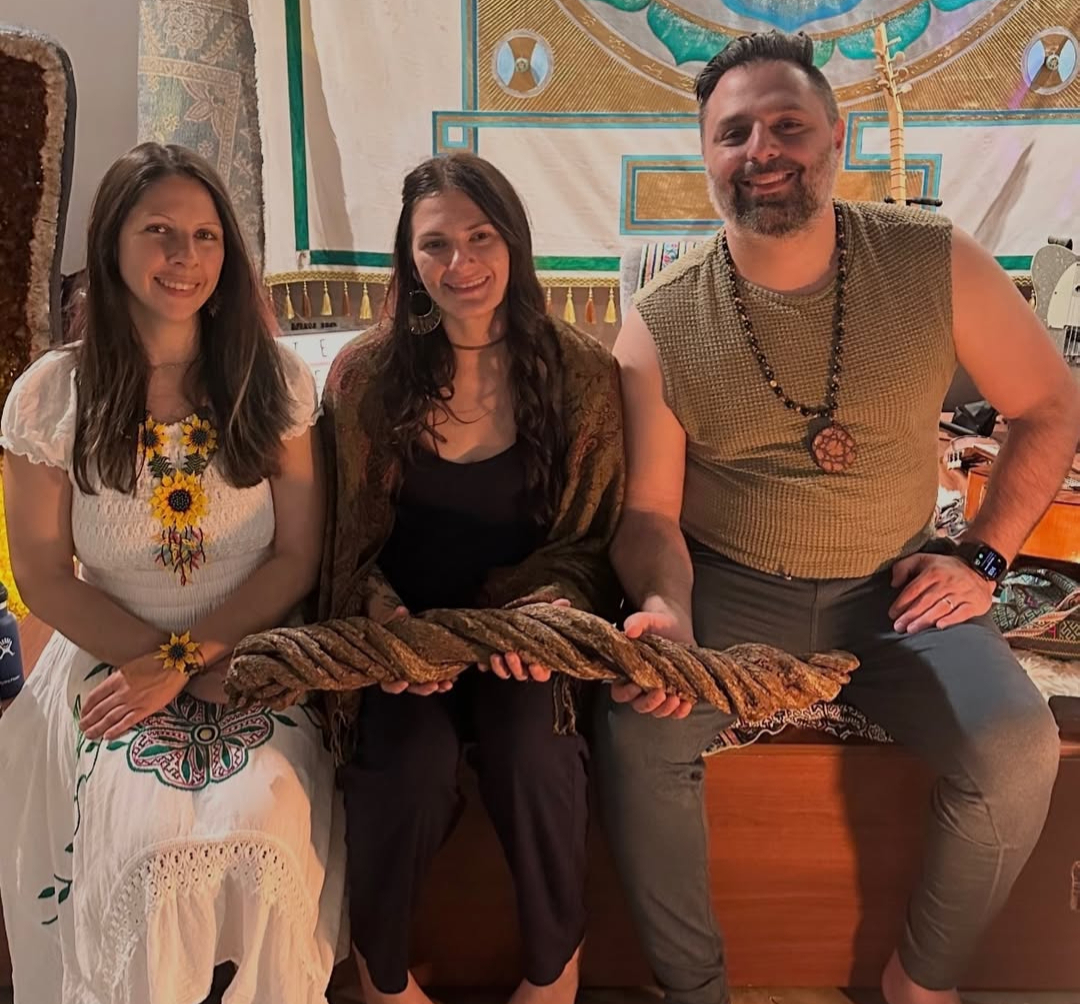
963 Tribe Church is not simply a place to attend a ceremony. It is a community, a tribe, in the genuine sense of that word. The name itself carries meaning: 963 Hz is the "God frequency" within the ancient Solfeggio sound frequencies, known to resonate with the crown chakra and open a gateway to divine connection and deep spiritual insight. 963 Tribe simply translates to God's Tribe, united in purpose, honoring the Creator through sound, ceremony, and genuine community.
The church offers a full range of community touchpoints throughout the month, spiritual teachings, integration circles, wellness gatherings, meditations, and social events like the Community Potluck Integration gathering. Whether you attend an Ayahuasca ceremony, a Bufo ceremony, a San Pedro ceremony, or simply join a community gathering, you are welcome here exactly as you are.
Follow the journey on Instagram, Facebook, and YouTube, and see upcoming Ayahuasca, Bufo, and San Pedro ceremony dates on the 963 Tribe calendar.
Key Takeaways
● Ayahuasca is a multi-hour plant brew ceremony rooted in Shipibo lineage, working through a full narrative journey of emotional and spiritual depth.
● Bufo (5-MeO-DMT) is a brief but total sacrament from the Sonoran Desert, delivering a complete dissolution of the self and a felt sense of spiritual rebirth.
● Both sacraments require sincere preparation, physical, pharmaceutical, and spiritual, before ceremony.
● Integration after ceremony is as important as the ceremony itself, and 963 Tribe Church offers ongoing community support to help anchor insights into daily life.
● 963 Tribe Church holds both Ayahuasca and Bufo ceremonies with a 100% safety record, in Las Vegas, Nevada, as a legally recognized 501(c)(3) faith-based religious organization.
● Neither sacrament is better than the other. They serve different moments and different calls, and both are honored with equal reverence.
Frequently Asked Questions
1. Is Bufo stronger than Ayahuasca?
Bufo and Ayahuasca are not comparable on a simple scale of "stronger" or "weaker." Bufo delivers an immediate, total dissolution of the personal self, an experience of complete oneness, in a very short window. Ayahuasca works across many hours, moving through layers of emotional and spiritual material with the guidance of icaros and ceremonial tradition. Many who have worked with both describe Bufo as more immediately absolute, while Ayahuasca is more narratively rich. What matters most is what your spirit is calling for.
2. Can I do Ayahuasca and Bufo at the same 963 Tribe ceremony?
Ayahuasca and Bufo are offered as separate ceremonies at 963 Tribe Church, each held with its own distinct preparation, structure, and integration support. Some tribe members work with both sacraments over time, in separate ceremonies. If you are curious about which to begin with, 963 Tribe's facilitators are available for a free discovery call to discuss your situation and spiritual intentions.
3. Do I need prior experience with plant medicine to attend a ceremony at 963 Tribe Church?
No prior experience is required. 963 Tribe Church welcomes individuals from all spiritual backgrounds and levels of experience. What matters most is sincere intention, honest disclosure of health history, and a genuine willingness to engage with the sacrament in a spirit of humility and openness. First-time participants receive full preparation guidance and are supported throughout by experienced facilitators.
4. What medications are contraindicated with Ayahuasca or Bufo?
SSRIs, MAOIs, antihistamines, and anti-anxiety medications must be discontinued before participating in Ayahuasca ceremony, at least four weeks prior. Hypertension medications must be stopped at least two weeks before. For Bufo, any MAOIs or SSRIs must also be stopped before ceremony. All medications must be disclosed to facilitators during pre-screening. Participants are always encouraged to consult their healthcare provider before attending any ceremony at 963 Tribe Church.
5. How do I begin my journey with 963 Tribe Church?
The first step is to reach out through 963tribe.com. From there, you can book a free twenty-minute discovery call with a member of the 963 Tribe team, review upcoming ceremony dates on the calendar, and explore the FAQ page for answers to practical questions about preparation, safety, donations, and community participation. The path begins with a single step, and 963 Tribe is here to walk it with you.
About 963 Tribe Church
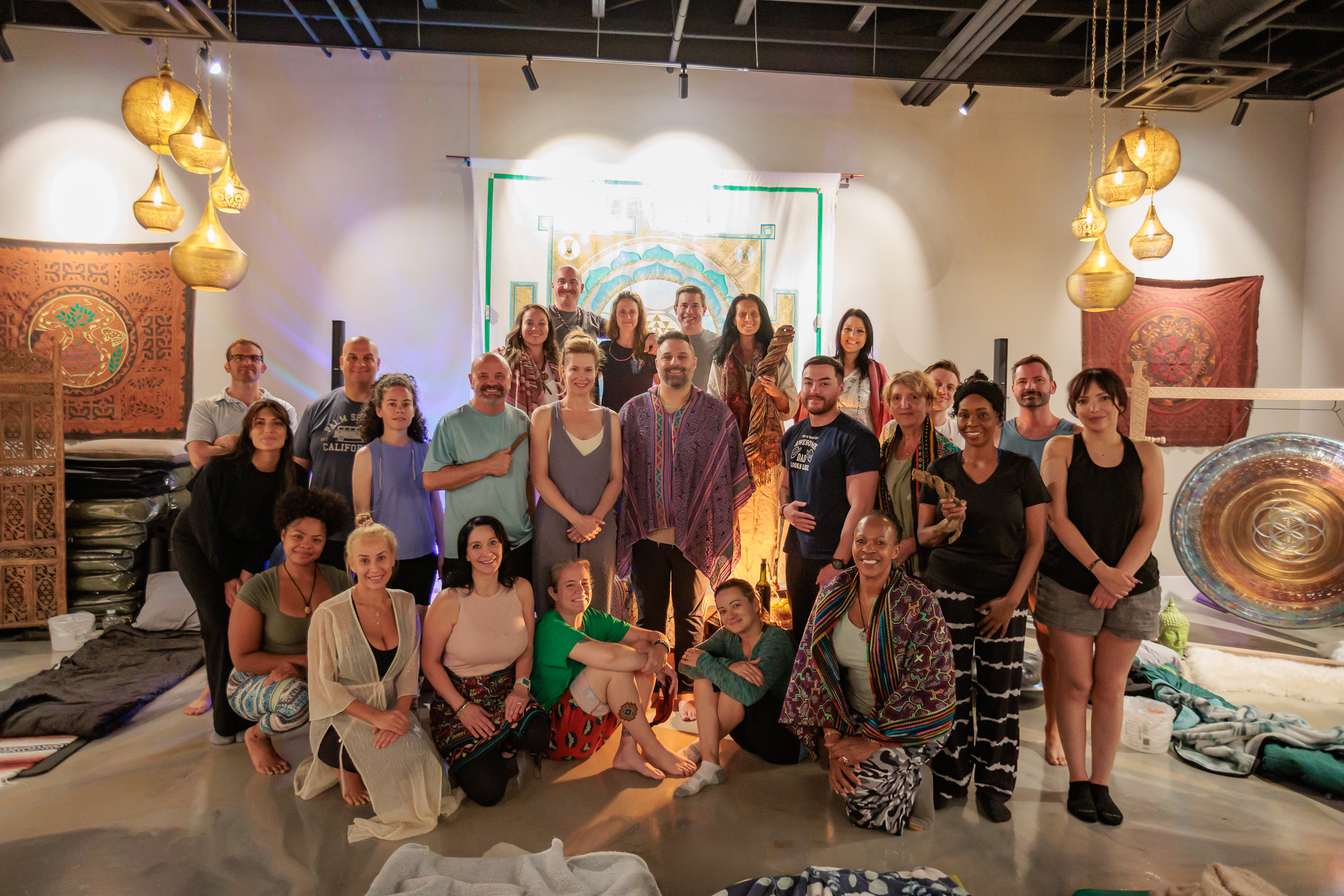
963 Tribe Church is a 501(c)(3) non-profit religious institution under the 508(c)(1)(A) provision, based in Las Vegas, Nevada. The church serves as a faith-based community devoted to God, spiritual connection, personal growth, and unity through sacred entheogenic ceremonies. Rooted in the Shipibo lineage of Pucallpa, Peru, 963 Tribe holds Ayahuasca, Bufo, and San Pedro ceremonies with a 100% safety record, guided by experienced facilitators who prioritize safety, consent, and integration at every stage of the journey. All are welcome.
Website: https://963tribe.com
Instagram: @963tribe
YouTube: youtube.com/@963Tribe
Facebook: facebook.com/963Tribe
