Ayahuasca Retreats Las Vegas: What to Know Before You Go
963 Tribe Church is a Las Vegas-based religious non-profit holding Ayahuasca and San Pedro ceremonies rooted in the Shipibo lineage of Pucallpa, Peru. Before you go, know this: it's a religious ceremony, not a medical treatment. Preparation starts weeks ahead, not the day before. And you won't be left to figure out safety or integration on your own; both are built into the process from start to finish.
What Happens at an Ayahuasca Retreat With 963 Tribe Church?
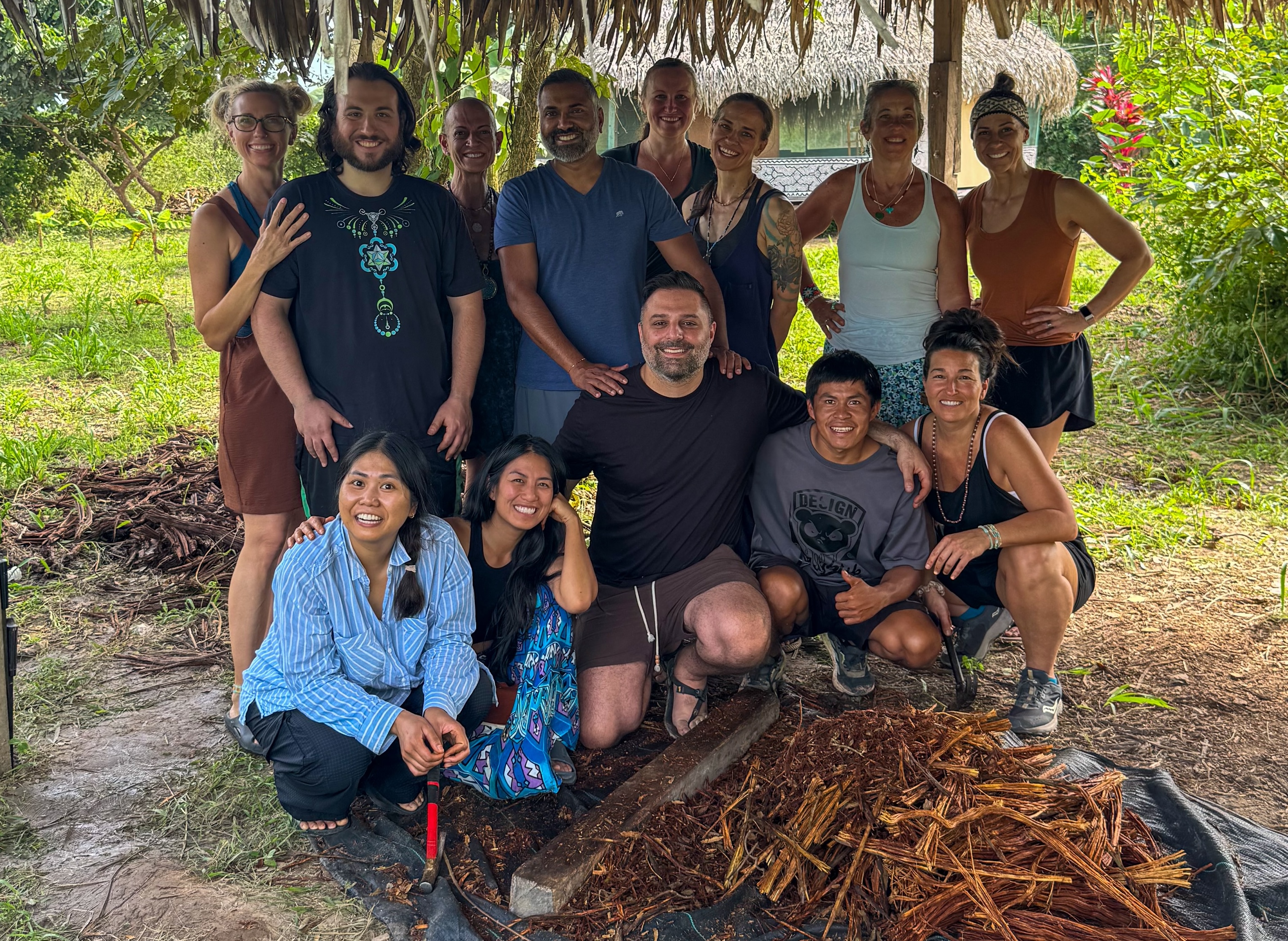
This isn't a weekend getaway with a ceremony tacked onto it. The ceremony is the reason you're there. You arrive at the sacred space, get welcomed into the community, and settle in before the ceremony begins after sundown. The brew itself is prepared according to Shipibo tradition, and facilitators trained in that lineage guide the night.
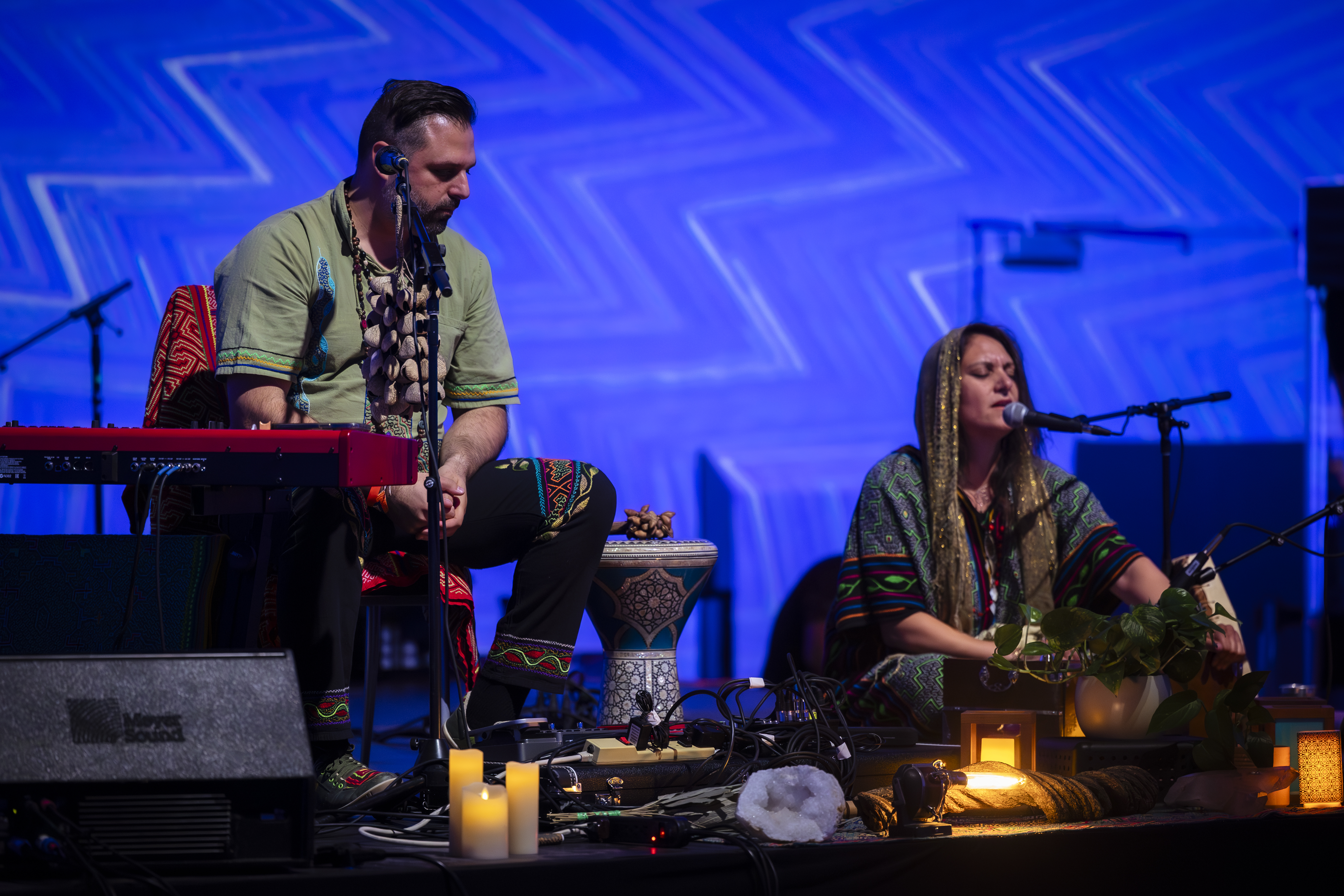
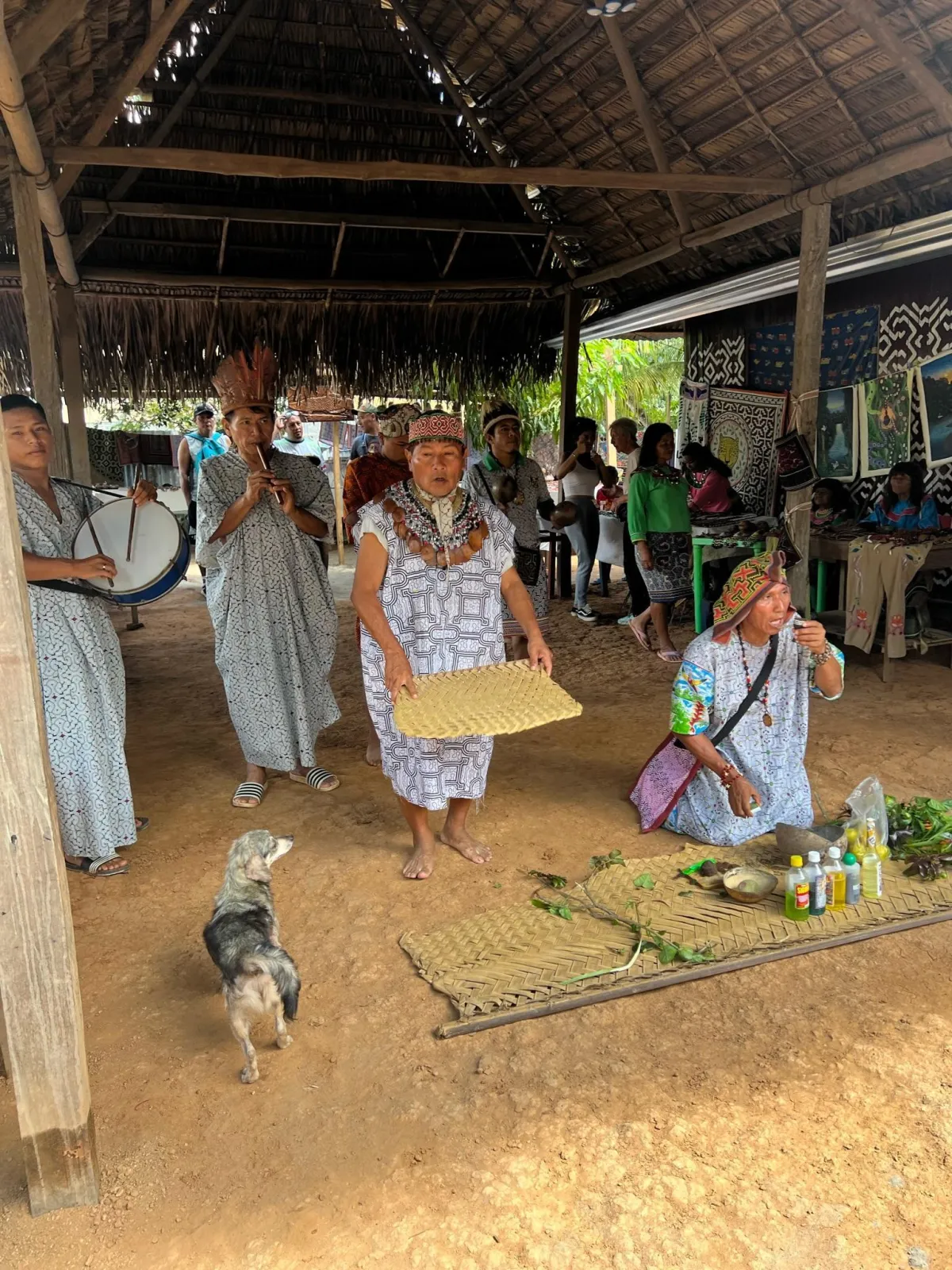
Sacred healing songs, called icaros, run through the whole ceremony. 963 Tribe Church describes these as channeled from the sacrament itself, used to move energy, deepen connection to the plants and spiritual guides, and carry participants through the experience. It's not background music. It's part of the container that holds the ceremony together.
You're never navigating this alone. Facilitators and guardians stay present through the night, and participants are asked to remain on the grounds until the ceremony ends, so help is close by if things get emotionally intense. If you do need a break mid-ceremony, someone will walk with you to a quieter space nearby rather than leaving you to sit with it alone; the goal is continuous support, not just supervision at a distance.
Preparation, the ceremony night, and integration afterward, 963 Tribe Church treats all three as part of one process, not three separate events.
How Much Does an Ayahuasca Retreat Typically Cost?
There's no set price tag here. 963 Tribe Church runs on donations, and as a religious non-profit, those donations go toward preparing and facilitating ceremonies, maintaining the sacred space, and supporting the church's broader work, not toward "buying" the sacrament itself. If your plans change after you've registered, your donation can often be applied to a future ceremony, but it isn't refundable, since it's funding the church's work rather than paying for a service you didn't receive.
If cost feels like a barrier, the church says it tries to work with anyone genuinely committed to the spiritual journey. Your best move is to just reach out directly and ask.
What Gets You "High" in Ayahuasca?
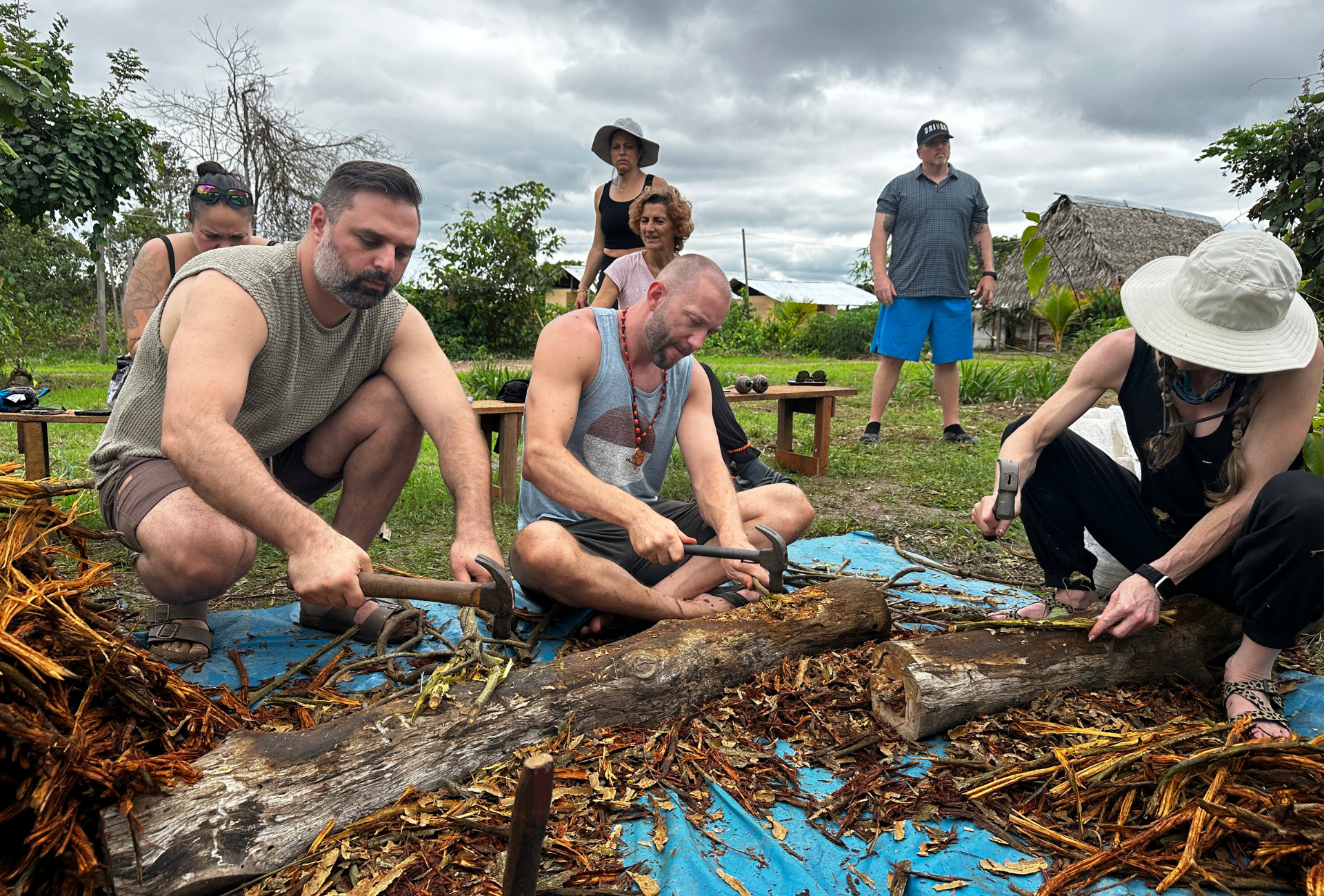
Ayahuasca isn't one plant; it's a combination. The traditional brew pairs the Ayahuasca vine (Banisteriopsis caapi) with the leaves of the Chacruna plant (Psychotria viridis). Neither ingredient does much on its own; it's the pairing that creates the ceremony's effects, because the vine allows the active compound in the Chacruna leaf to work when taken orally. That's also why brewing it correctly takes real skill; Shipibo curanderos (master healers) pass this knowledge down through generations rather than following a fixed recipe.
It's also the reason 963 Tribe Church is strict about what you put in your body beforehand. Certain medications, SSRIs, MAOIs, and antihistamines in particular, interact with that same pathway, which is exactly why the church asks people to stop them weeks out and to disclose everything during screening.
Is Ayahuasca a Near-Death Experience?
Not clinically, no; your heart doesn't stop, and your brain doesn't shut down. What people are usually reaching for with this question is how intense the experience can feel. The church is candid about that on its own site: a single night can move between extremes, described as "Hell and Heaven, bliss and terror," and the sacrament is said to shine "a very bright light" on emotional material a person hasn't fully faced yet.
That's why the church asks people to walk in with a clear head and real intention, and why facilitators don't step away during the night. It's also the reason medical screening isn't a formality; some health conditions and medications genuinely raise the risk, so disclosure and a clearance from your own doctor come before anything else.
Does Ayahuasca Actually Help?
Facilitators and longtime members of 963 Tribe Church talk about real emotional and spiritual benefit, more self-awareness, a sense of purpose, and the old weight finally being released. Some describe a single ceremony as more significant than years of other inner work.
But it's worth saying plainly: this is a religious sacrament, not licensed therapy or medical treatment. The church itself tells anyone with a history of mental or physical health concerns to talk to a doctor and get cleared before participating. And whether the night actually "helps" seems to come down to more than the ceremony alone; preparation, intention, and especially the integration work afterward all matter. As the church puts it, the sacrament doesn't do the work for you. It holds you while you do it yourself.
The Shipibo Lineage Behind Our Ceremonies
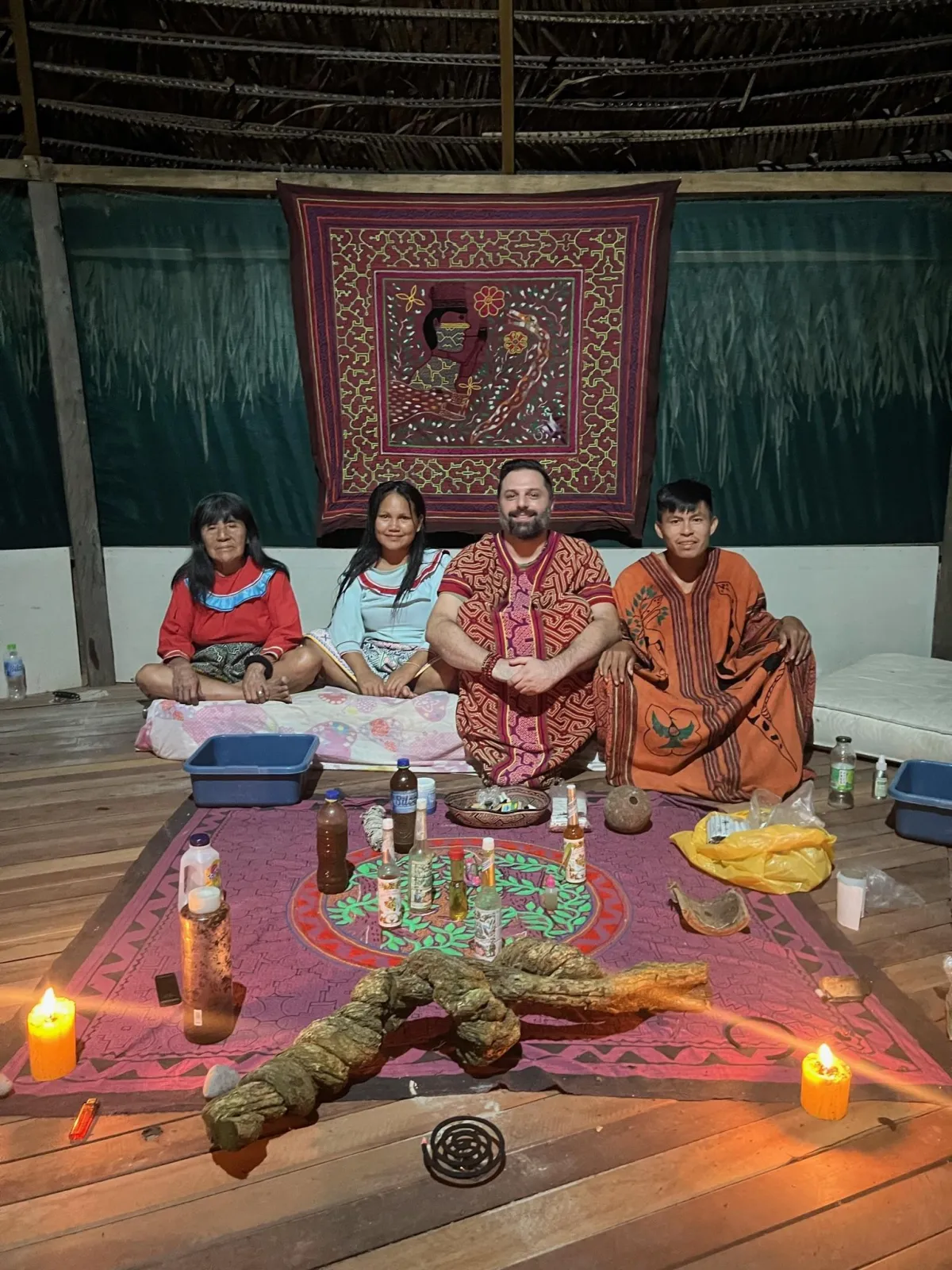
Everything at 963 Tribe Church traces back to the Shipibo lineage of the Peruvian Amazon, one of the most recognized indigenous traditions tied to plant medicine ceremonies. Generations of curanderos have carried this knowledge forward, from how the sacrament is prepared to how icaros are used to guide a ceremony.
A core idea in that lineage is Ayni, sacred reciprocity, a give-and-take relationship with nature rather than a one-sided one. The church describes its role as a bridge: honoring where this tradition comes from while creating space for modern seekers in Las Vegas to experience it.
Nobody at 963 Tribe Church claims to have invented any of this. The church sees itself as a steward of something much older, guided directly by the people who've carried it for generations.
How to Prepare for an Ayahuasca Ceremony
Preparation doesn't start in the morning of. It starts weeks out, and it touches your diet, your medications, and your headspace.
Timeframe: 2 weeks before
What to Do: Stop street drugs and cannabis; cut out pork and spicy food; skip ice-cold food and drinks.
Timeframe: 1 week before
What to Do: Drop refined sugar, red meat, junk food, dairy, fermented foods, caffeine, and carbonated drinks; go light on oil and salt.
Timeframe: 4 weeks before
What to Do: Discontinue SSRIs, MAOIs, and antihistamines under medical guidance.
Timeframe: 2 weeks before
What to Do: Discontinue hypertension medications under medical guidance.
Ceremony day
Stay hydrated; eat your last meal at least 6 hours ahead; skip sexual activity; stay off social media and the news; sit with your intention
There's more to it than food and medication, too. The church encourages journaling, meditation, yoga, or Qi Gong in the days leading up, and steering clear of arguments, heavy news, or anything that stirs up stress. On the practical side, you'll want comfortable clothing, a sleeping mat and bag, a water bottle, a journal, and any medications you've already disclosed to your facilitators.
That disclosure step matters more than it might seem. Sharing your medical, pharmaceutical, and mental health history honestly during pre-screening is, according to the church, a big part of how it's kept its safety record intact.
Who Might Need to Sit This One Out?
Not everyone is a fit for an Ayahuasca ceremony right now, and 963 Tribe Church would rather you know that before you book than find out during pre-screening. Anyone currently taking SSRIs, MAOIs, antihistamines, or hypertension medications needs to work through a discontinuation timeline with their doctor first; this isn't something to stop cold the week off. The same goes for anyone with a significant history of mental or physical health conditions; the church asks for medical clearance up front rather than leaving it to chance.
This isn't the church being overly cautious for no reason. The brew interacts directly with certain medications, and the ceremony itself can be emotionally and physically demanding over a long night with little rest. If you're unsure whether a condition or prescription is a concern, the church's guidance is straightforward: talk to your facilitator and your own healthcare provider before you register, not after.
Safety, Screening, and Legal Structure
963 Tribe Church is organized as a 501(c)(3) non-profit under the 508(c)(1)(A) provision, a religious structure the church says is protected under the First Amendment and the Religious Freedom Restoration Act (RFRA). Sacraments are used only within ceremonial, religious settings, never recreationally, and the church keeps records of ceremonies and attendance to support that its practice is sincere.
The church doesn't oversell what that protection means, either. It states outright that RFRA covers its religious activities, but that "personal legal protection is not guaranteed, as the use of plant sacraments is subject to evolving legal frameworks." Everyone signs a liability waiver acknowledging they're participating voluntarily and at their own risk.
On safety specifically, the church points to its pre-screening process, trained facilitators, on-site emergency protocols, and its insistence that participants check with a healthcare provider about any medical concerns first, the combination it credits for a 100% safety record so far.
What to Expect During and After the Ceremony
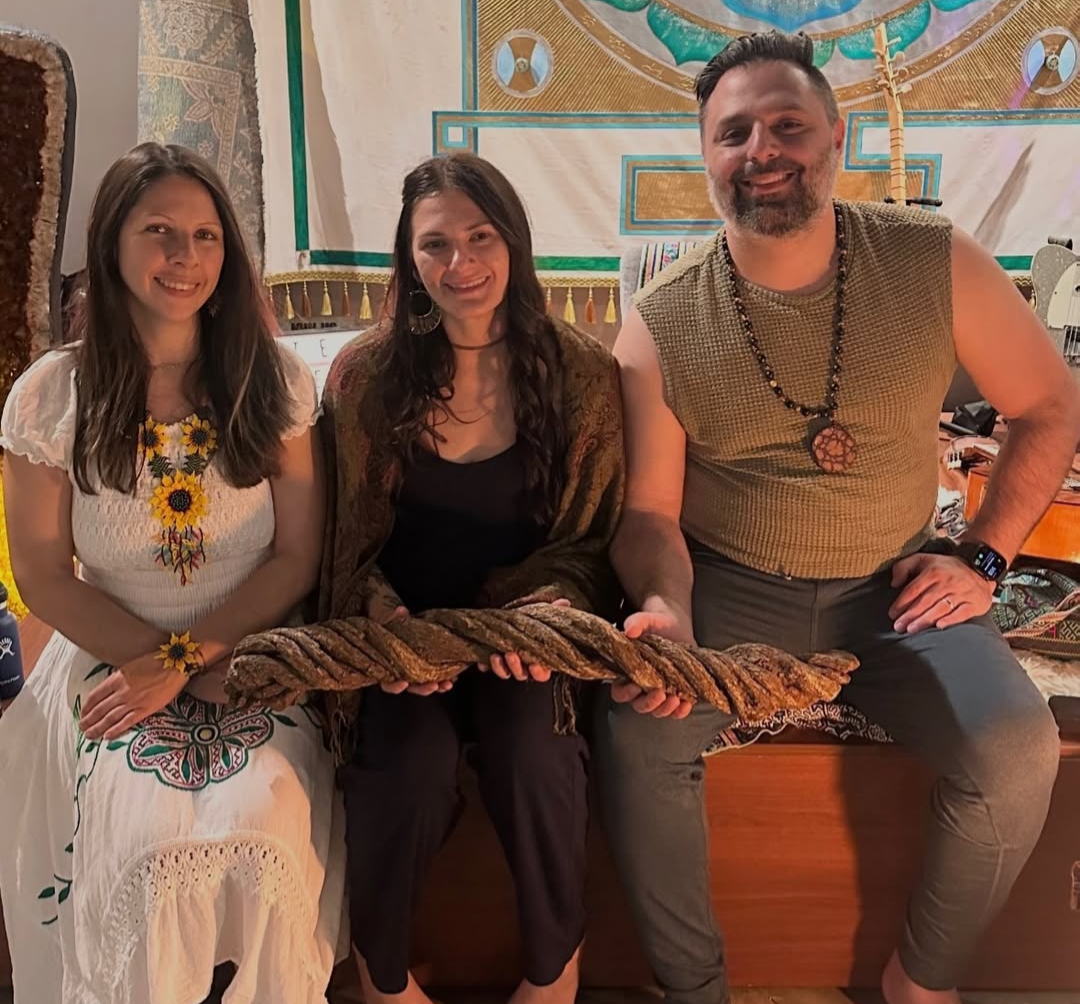
No two nights look the same, and the church doesn't pretend otherwise; people walk away with everything from emotional releases to quiet insight to a sense of connection they didn't expect. What stays consistent is the structure: a respectful format with time for reflection, music, and facilitator support running through the night.
The ceremony night is really only half of it. Integration afterward is treated as essential, not a nice-to-have; the church offers integration circles and one-on-one support to help people process what came up. It also lays out specific guidance for the days that follow: certain foods off the table for 3–7 days, no sexual activity for 7–14 days, steering clear of crowds and heavy media, and, maybe most importantly, holding off on big life decisions like quitting a job or ending a relationship until the dust settles.
Ceremony isn't the only way to be involved, either. 963 Tribe Church runs community events throughout the month, potlucks, integration circles, and wellness gatherings, open to anyone in the community, sacrament or not.
Key Takeaways
Ceremonies follow Shipibo tradition and are held as religious sacraments under a 501(c)(3), 508(c)(1)(A) structure.
Preparation starts up to four weeks out, especially around medication and diet.
Donations fund the ceremony and the church's work; they aren't a fixed fee for the sacrament.
A disclosed medical history and clearance from your own doctor come before anything else.
What happens after the ceremony matters as much as the night itself.
Frequently Asked Questions
How much does an Ayahuasca retreat typically cost?
There's no fixed price, 963 Tribe Church works on donations that support its ceremonies and operations. Reach out directly for guidance on what to expect.Is Ayahuasca a near-death experience?
No, not medically. People usually mean the intensity of the night itself, which the church describes as swinging between profound highs and lows.What gets you "high" in Ayahuasca?
The combination of the Ayahuasca vine and Chacruna leaf, prepared in the Shipibo tradition, which is also exactly why medication interactions get taken so seriously.Does Ayahuasca actually help?
Many in the community describe real benefits, but the church is clear this is spiritual practice, not medical treatment, and recommends clearance from your own doctor if you have health concerns.Do I have to consume the sacrament to be part of 963 Tribe Church?
No. There's a whole community layer, events, integration circles, and social gatherings open to anyone who wants to be part of the church without stepping into ceremony.
Learn more about ceremony offerings at 963tribe.com, read more on the 963 Tribe blog, or explore the church's Statement of Beliefs. Follow along on Instagram, Facebook, and YouTube.
